
German-Asian Forum on Education & Training: Education Sector Between Skilled Mobility and Digitalisation
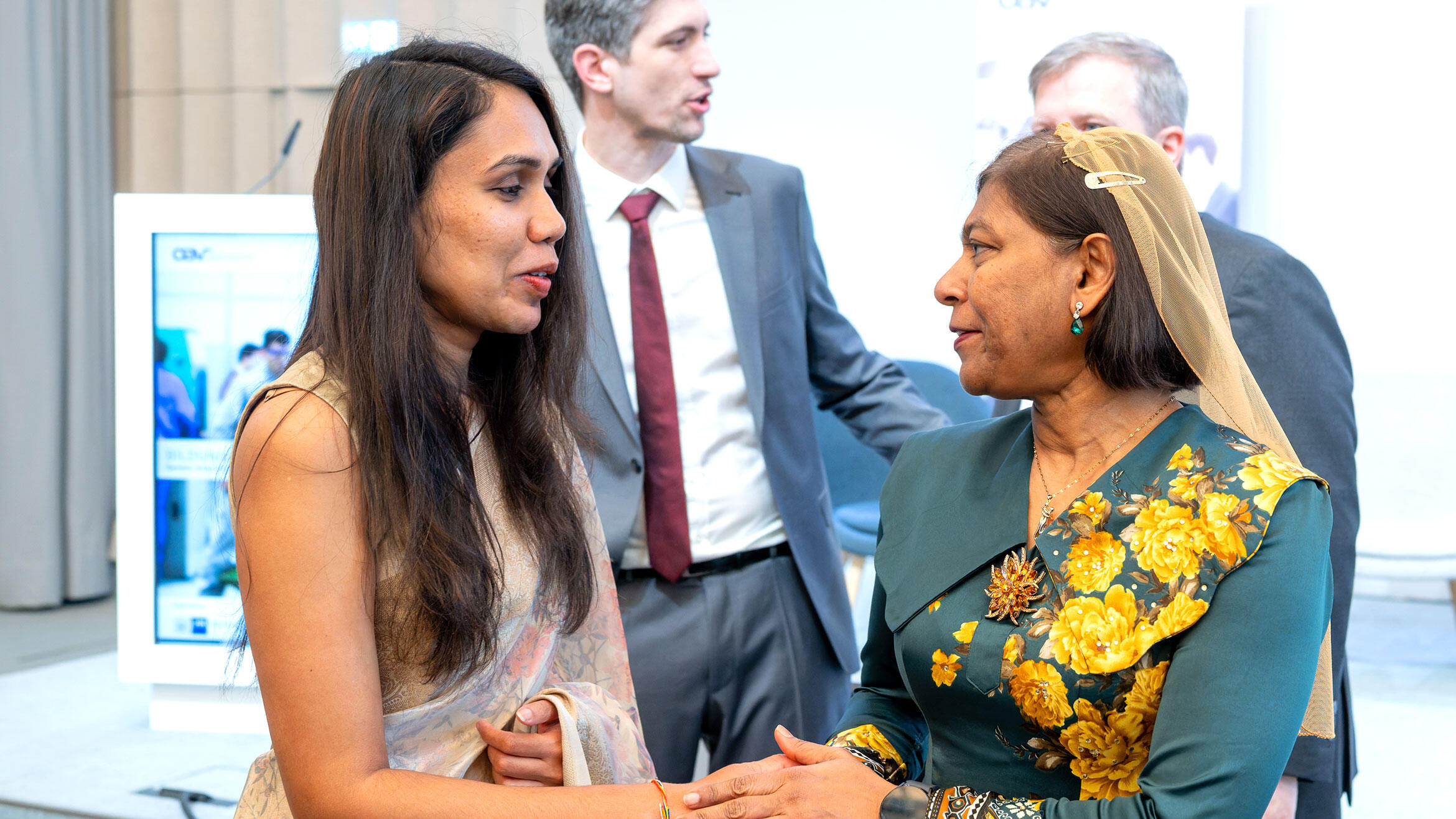
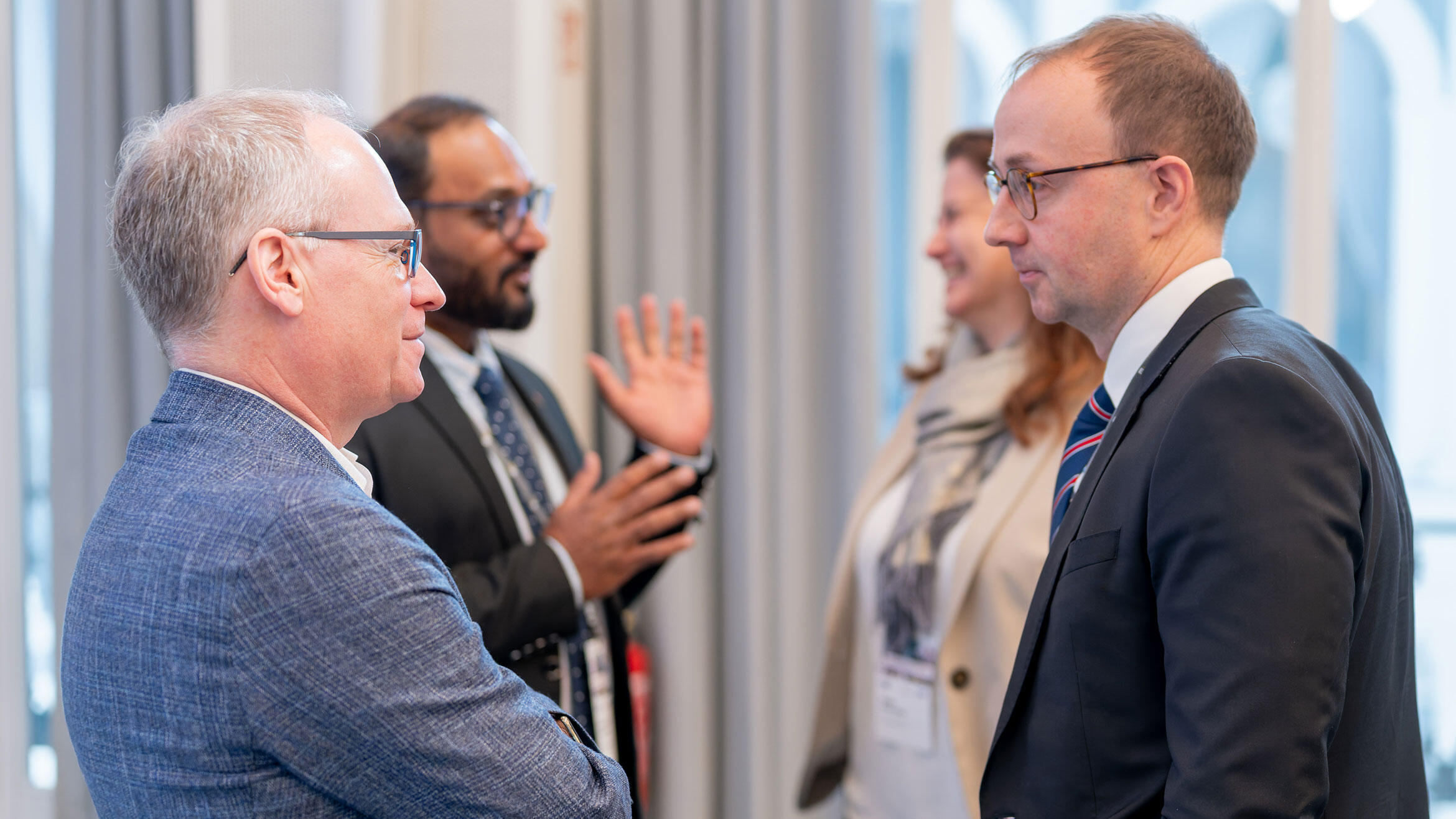
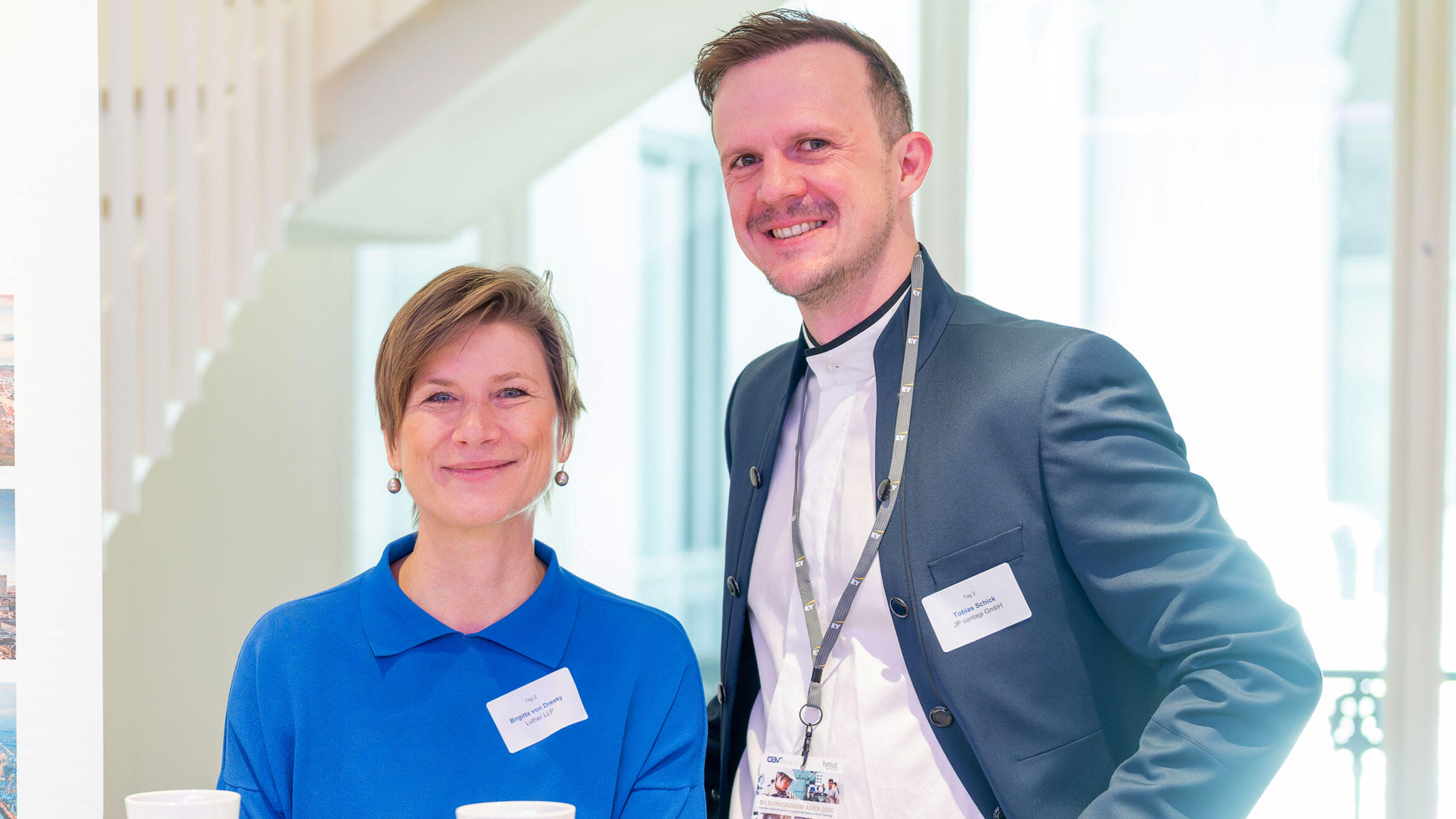
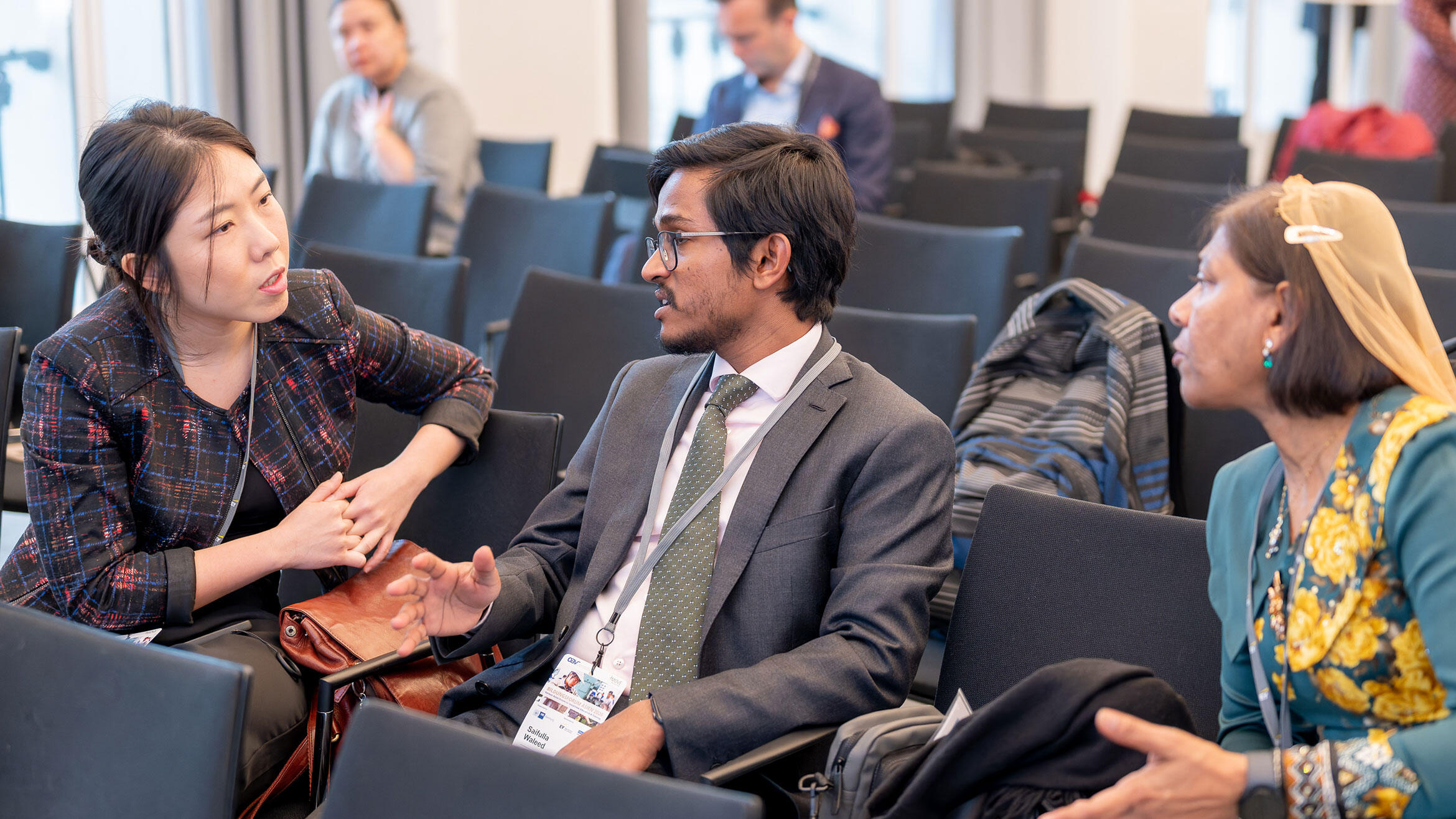
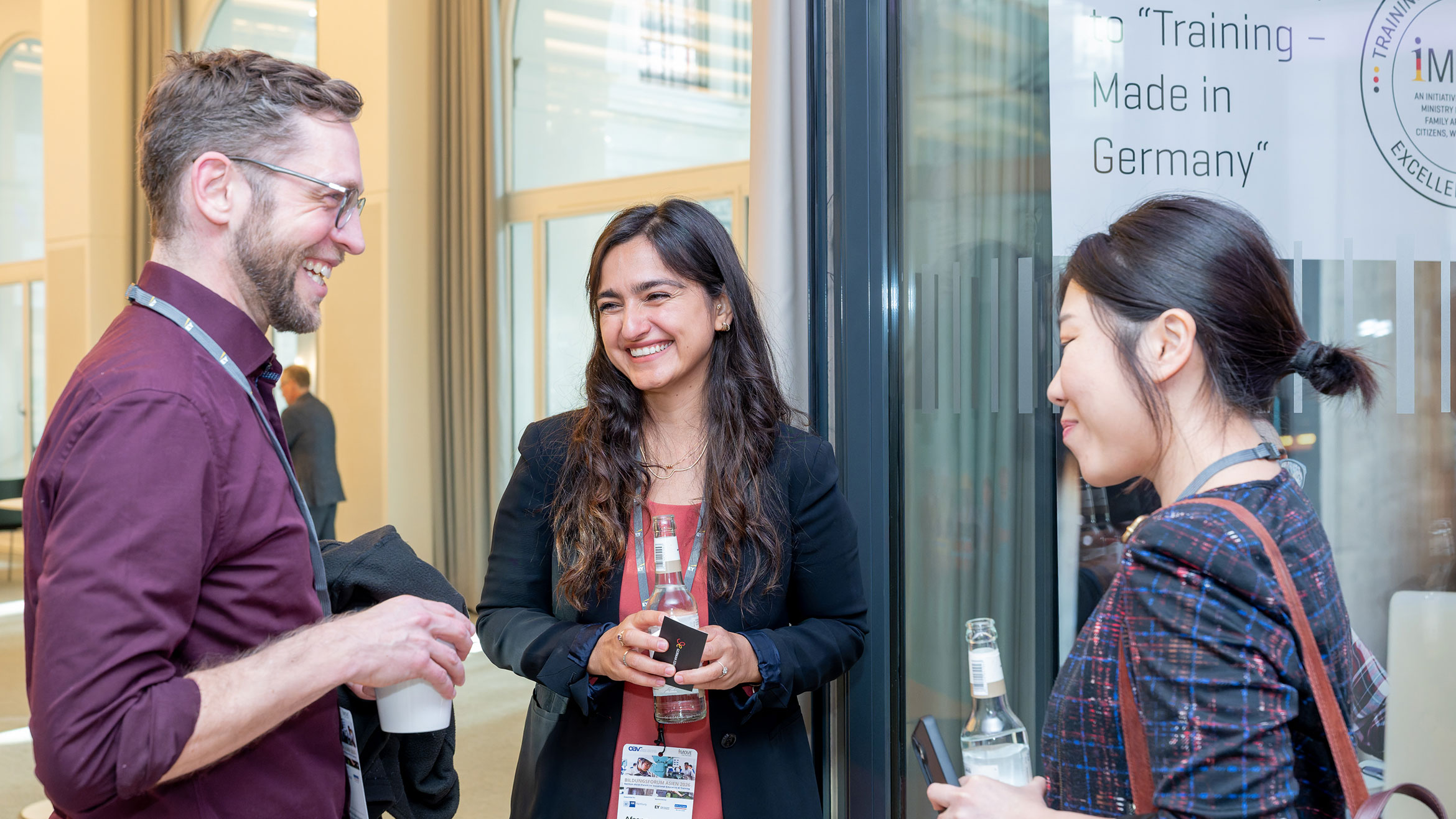
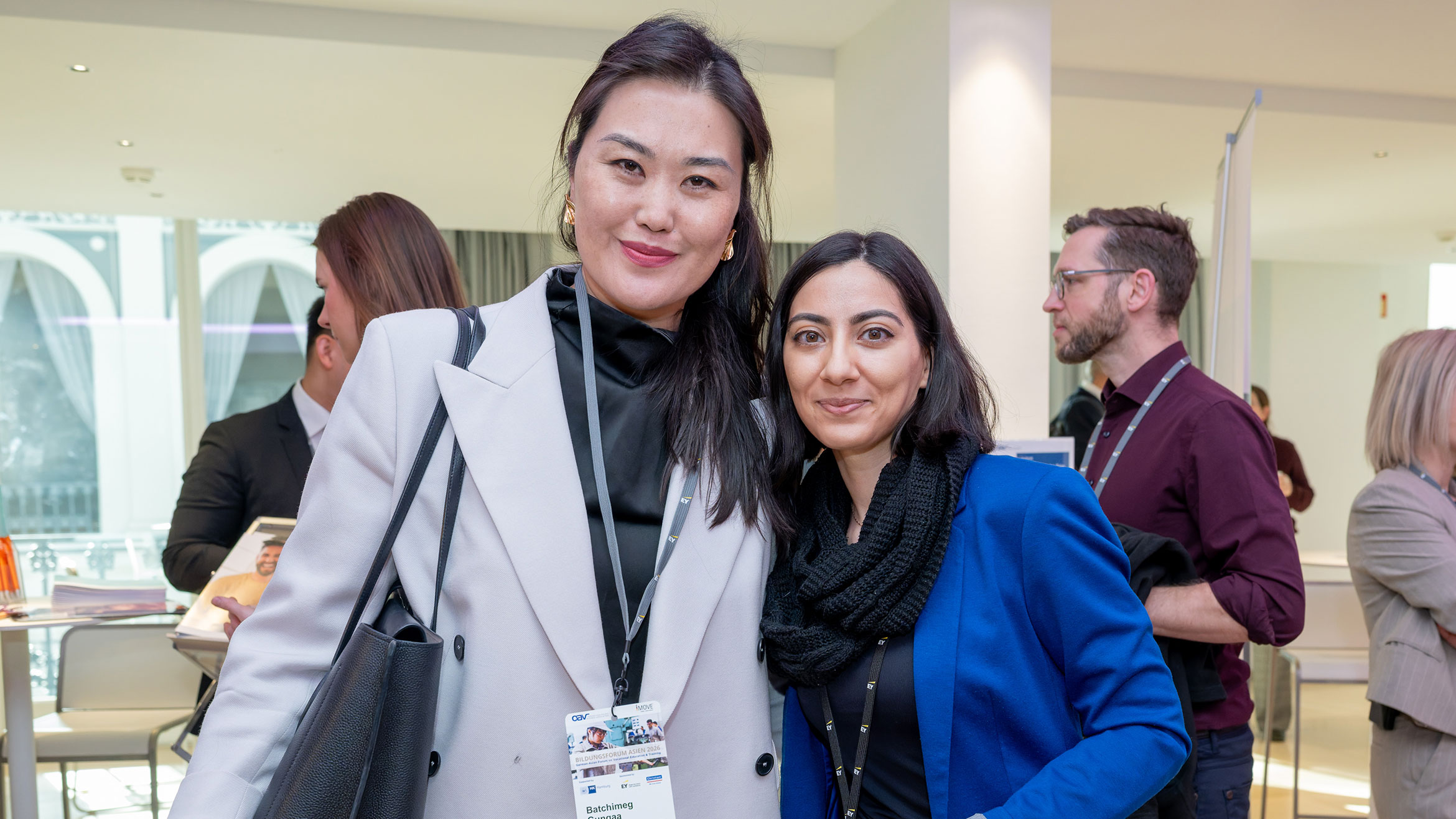
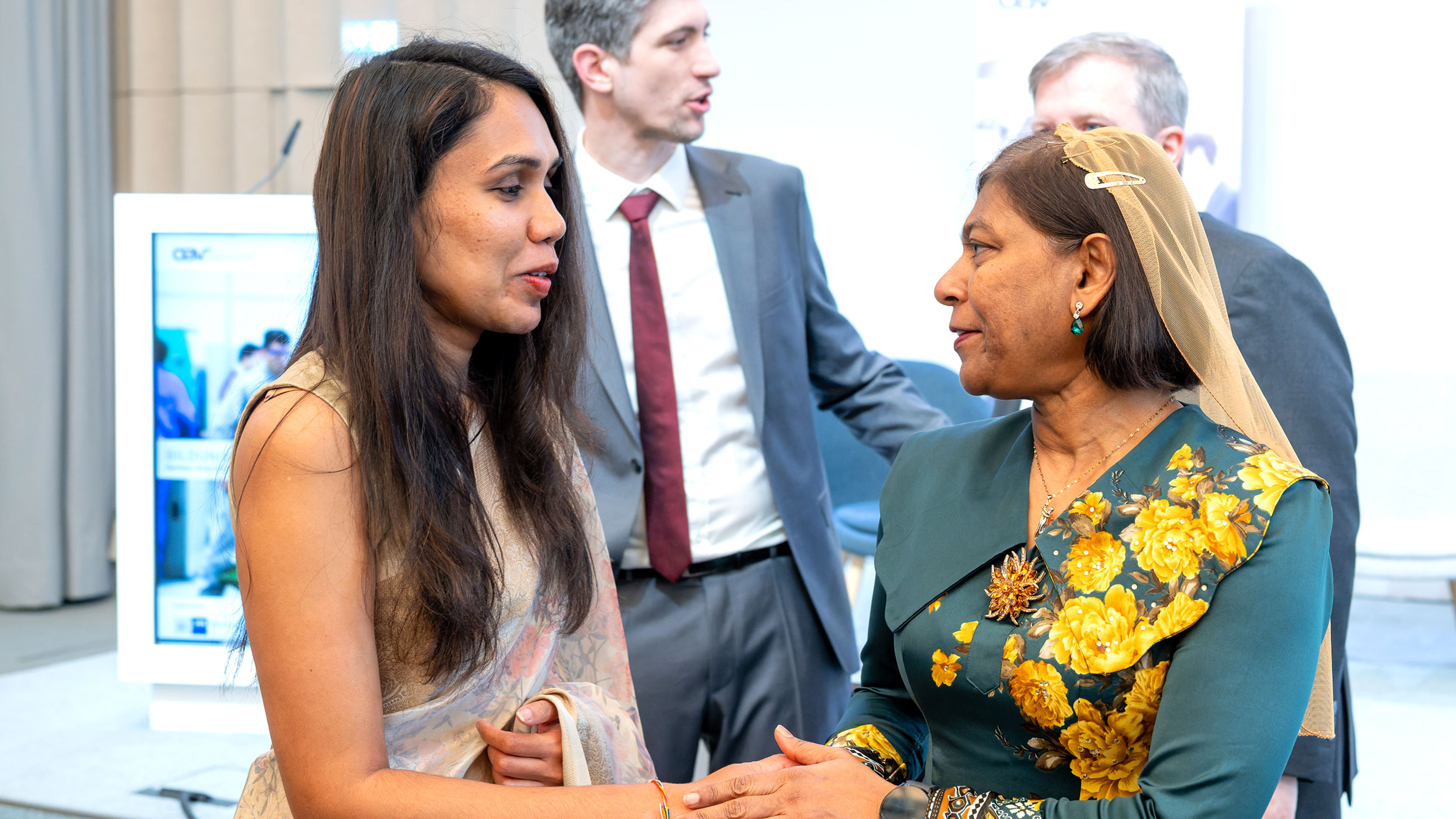
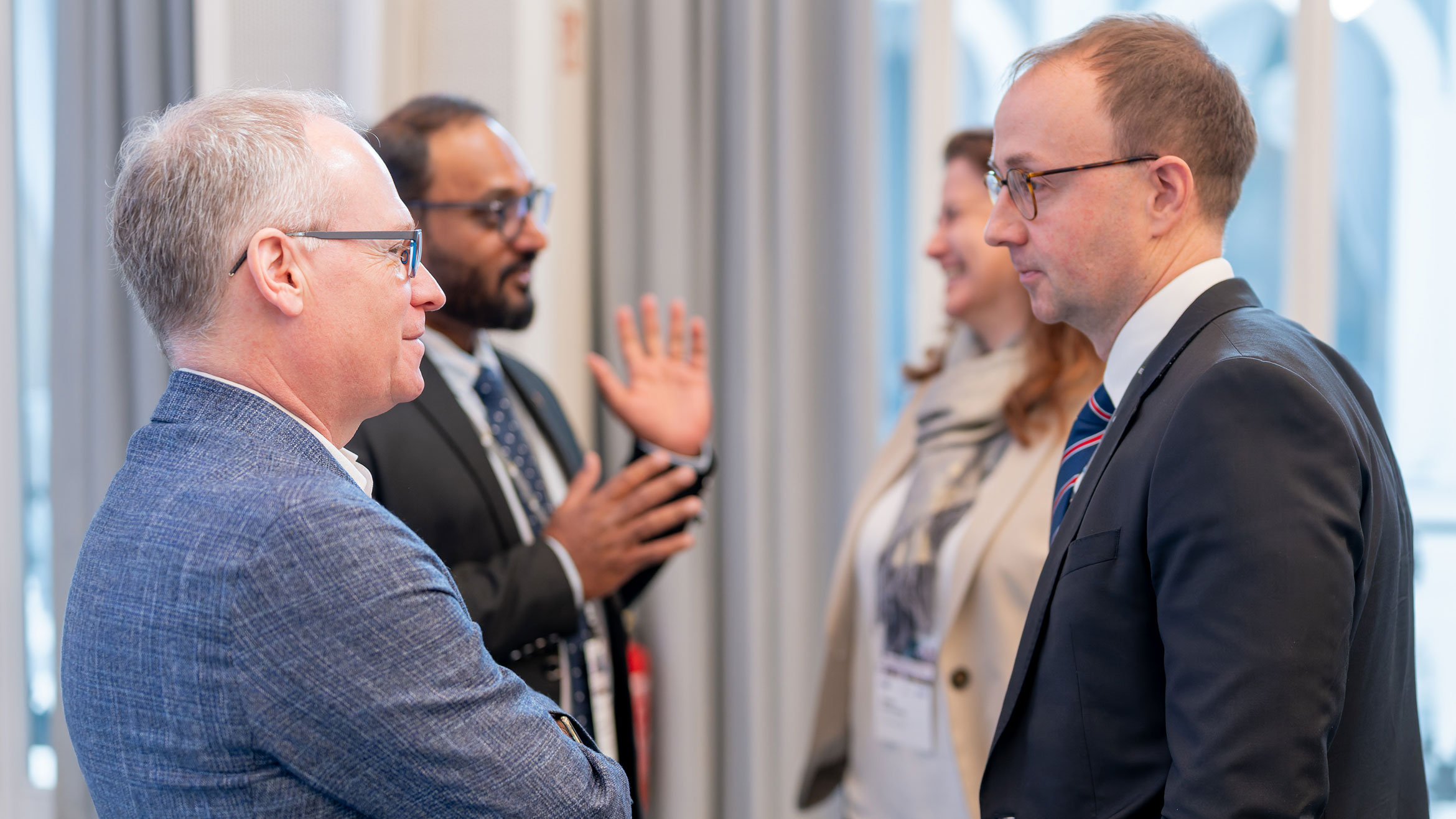
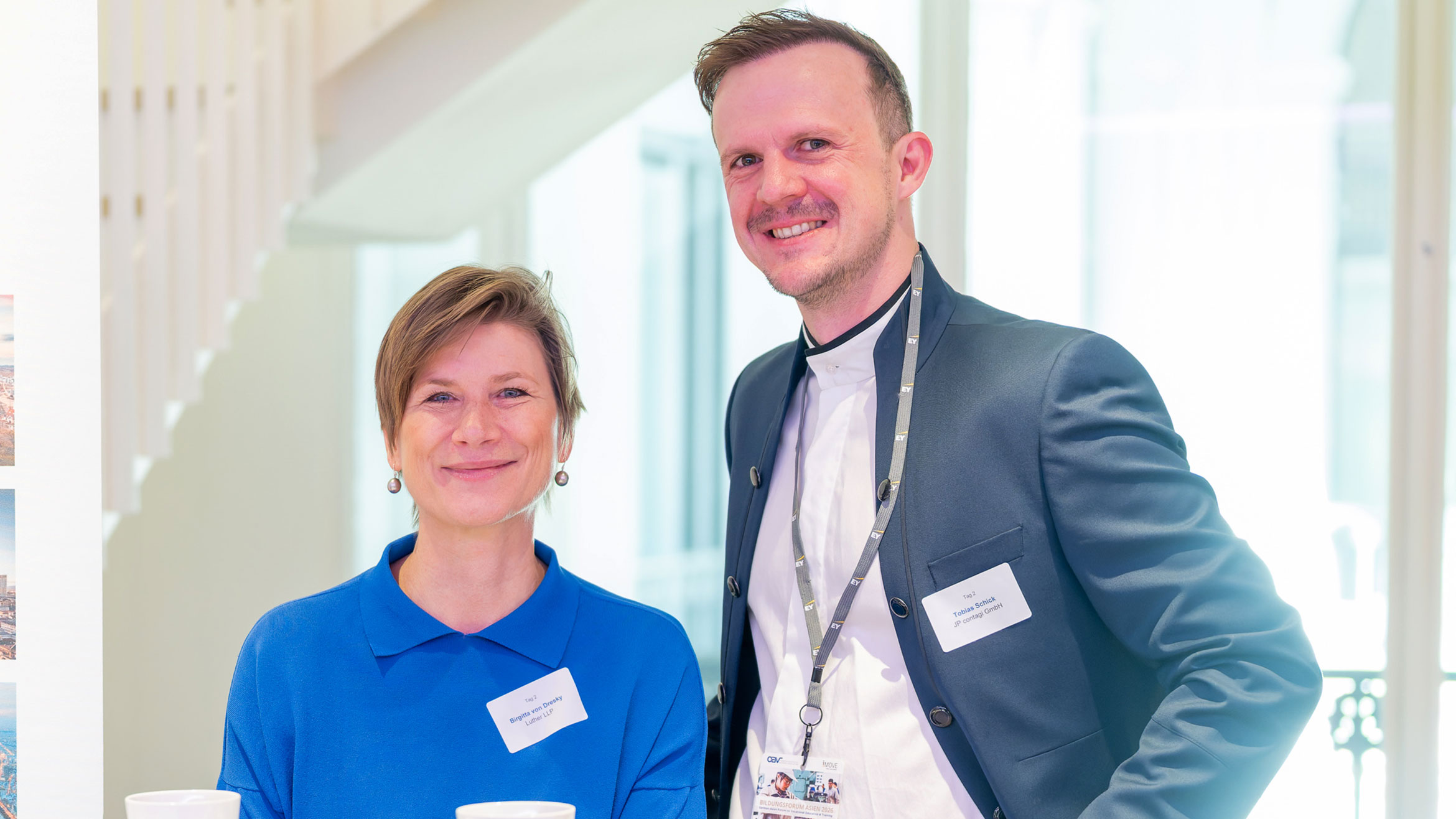
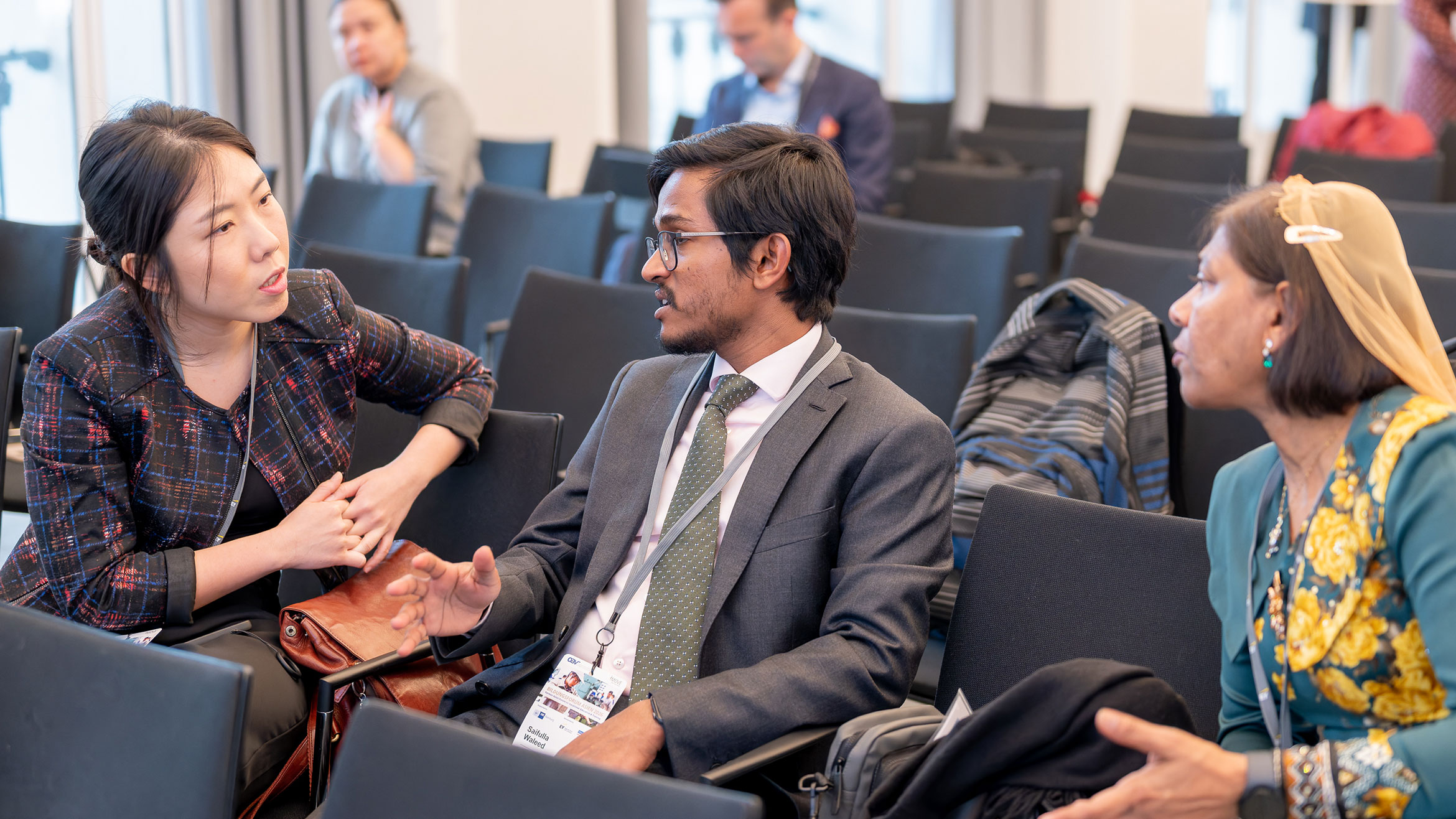
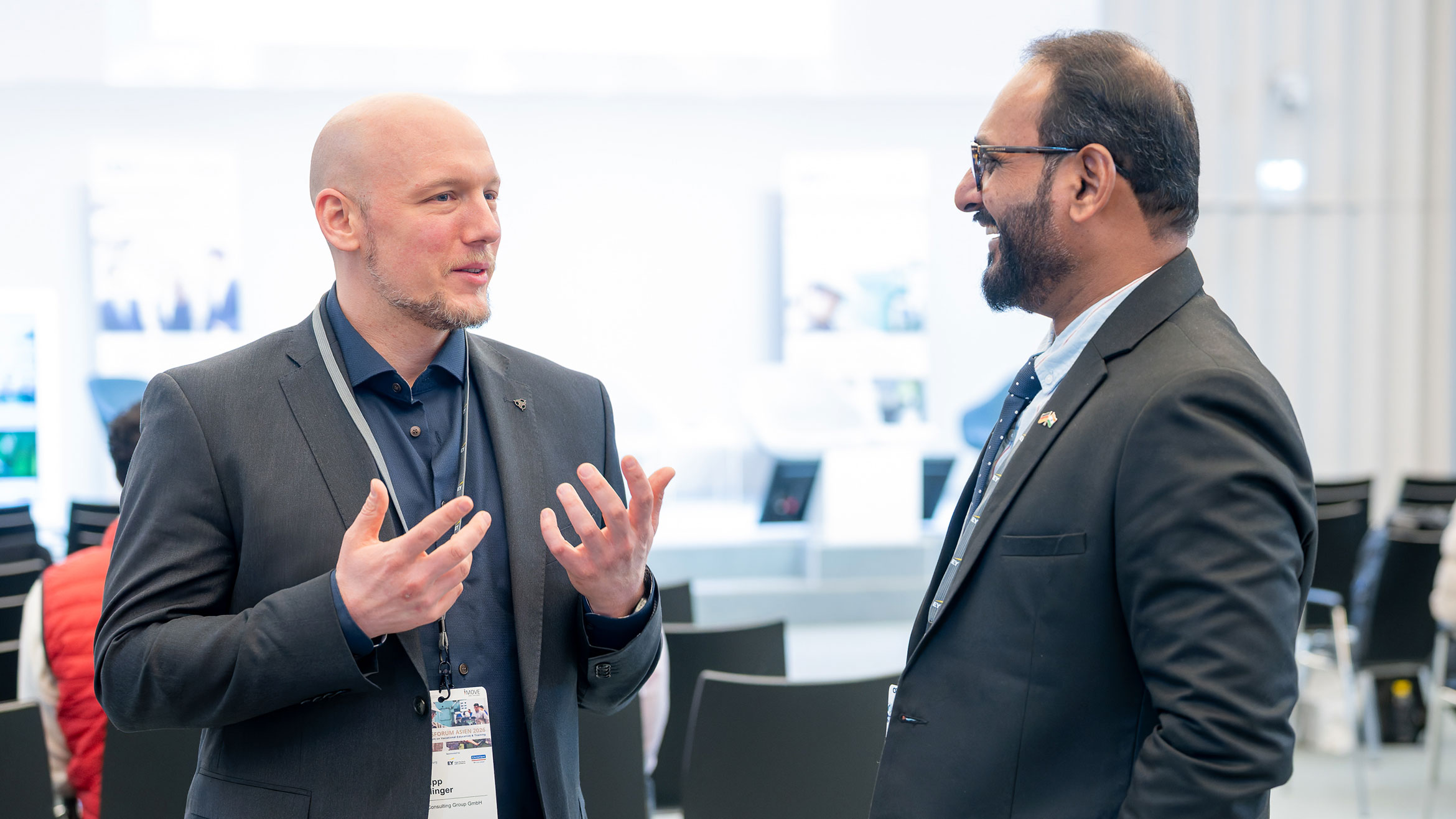
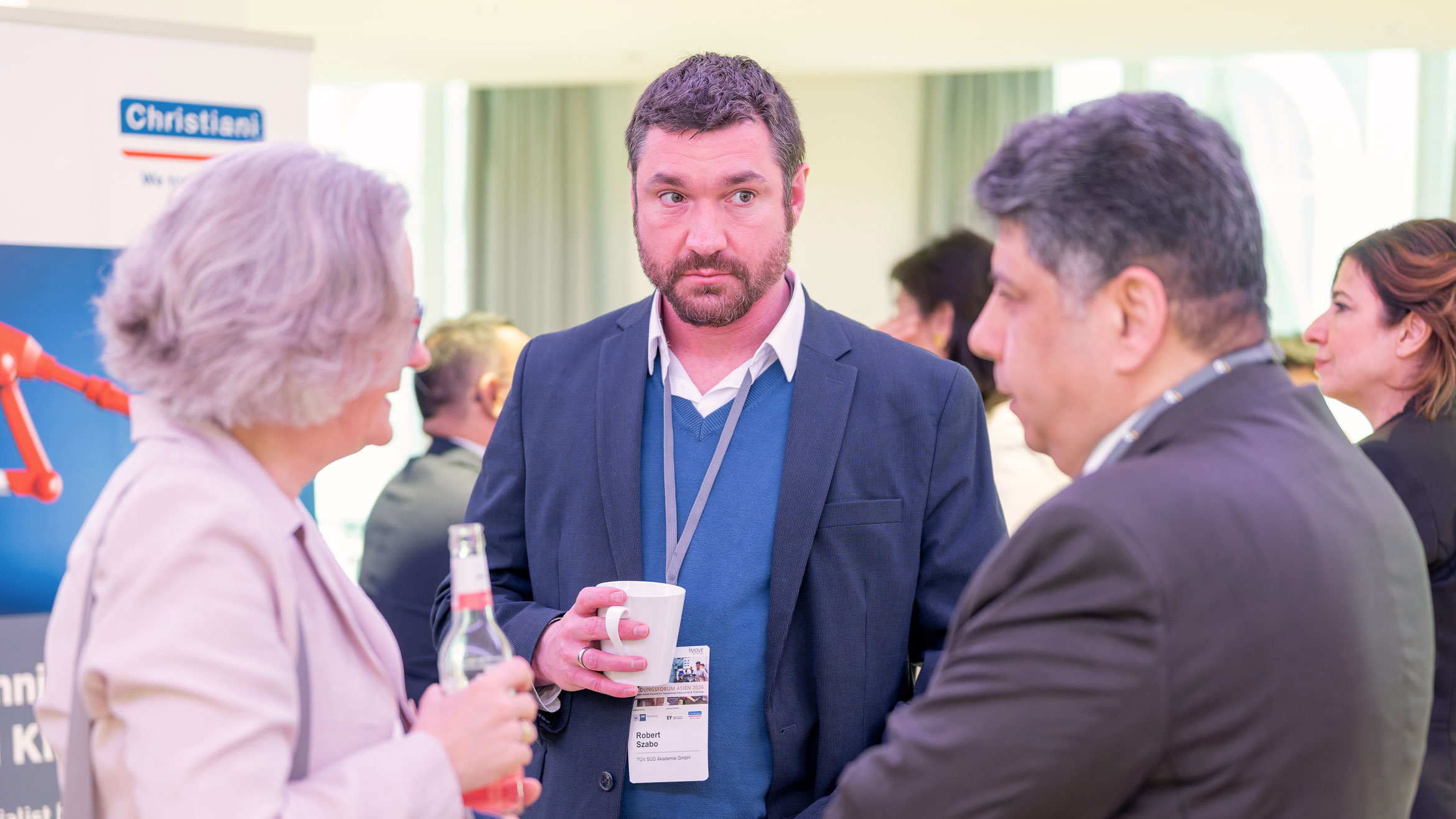
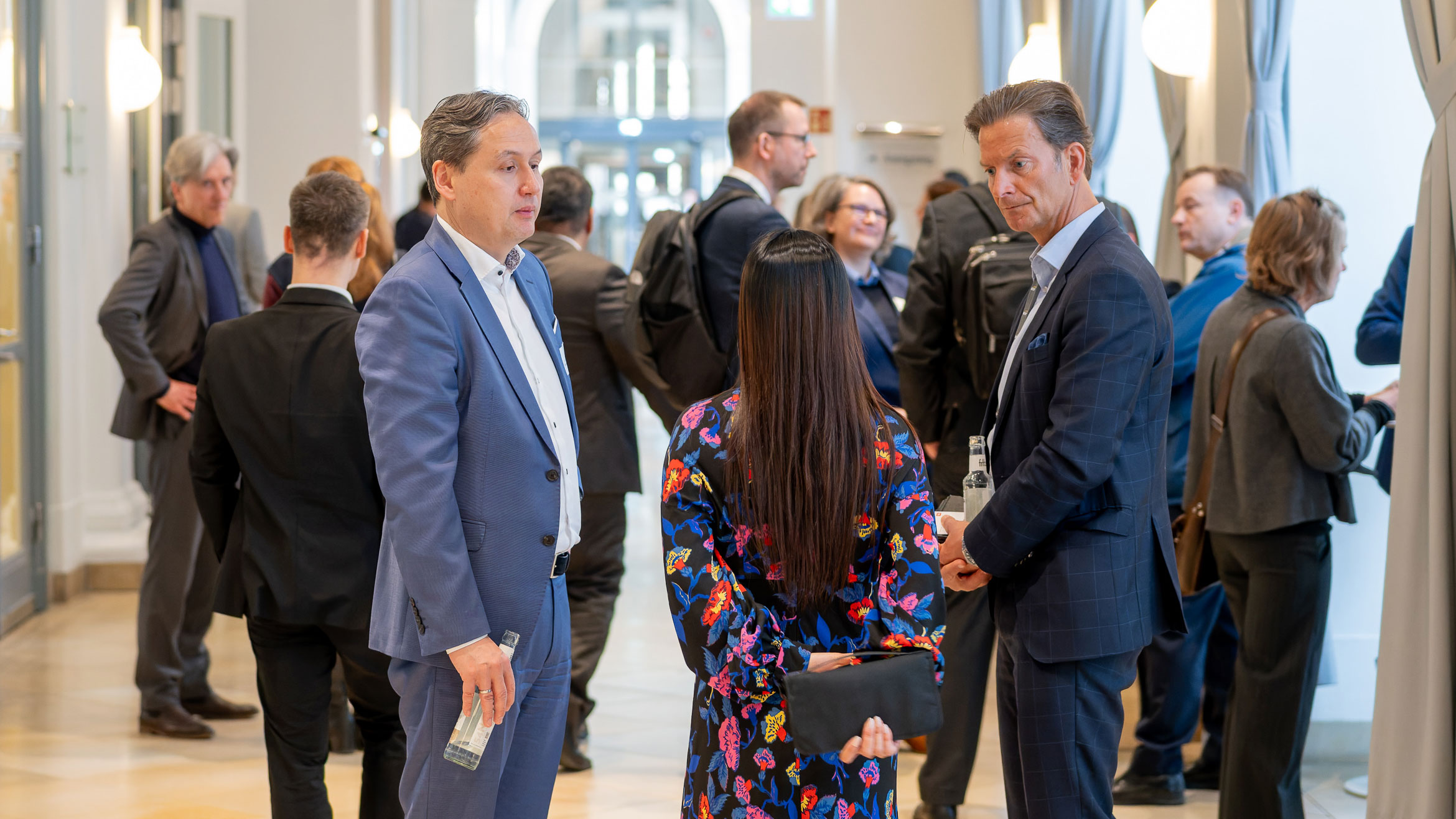
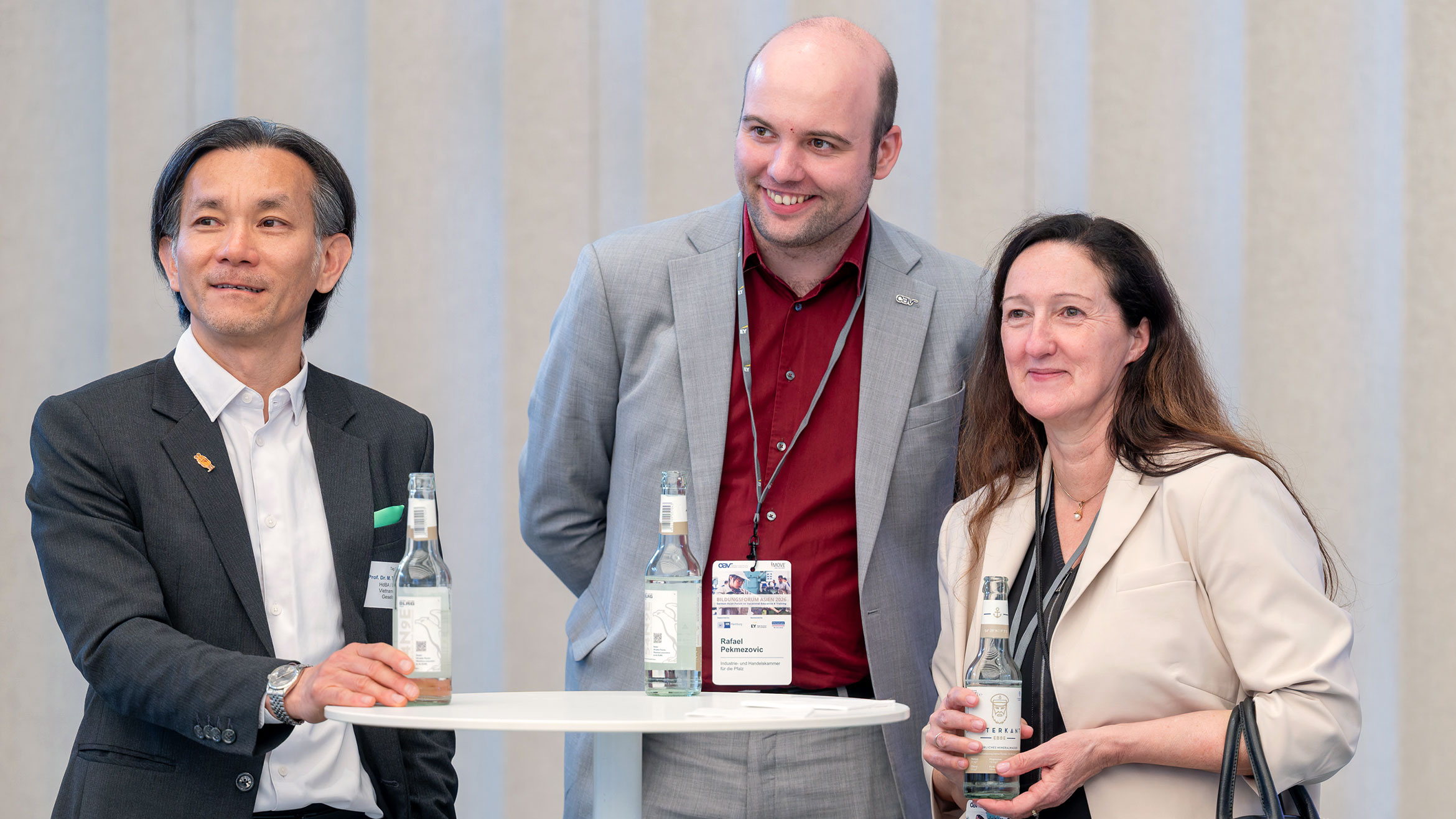
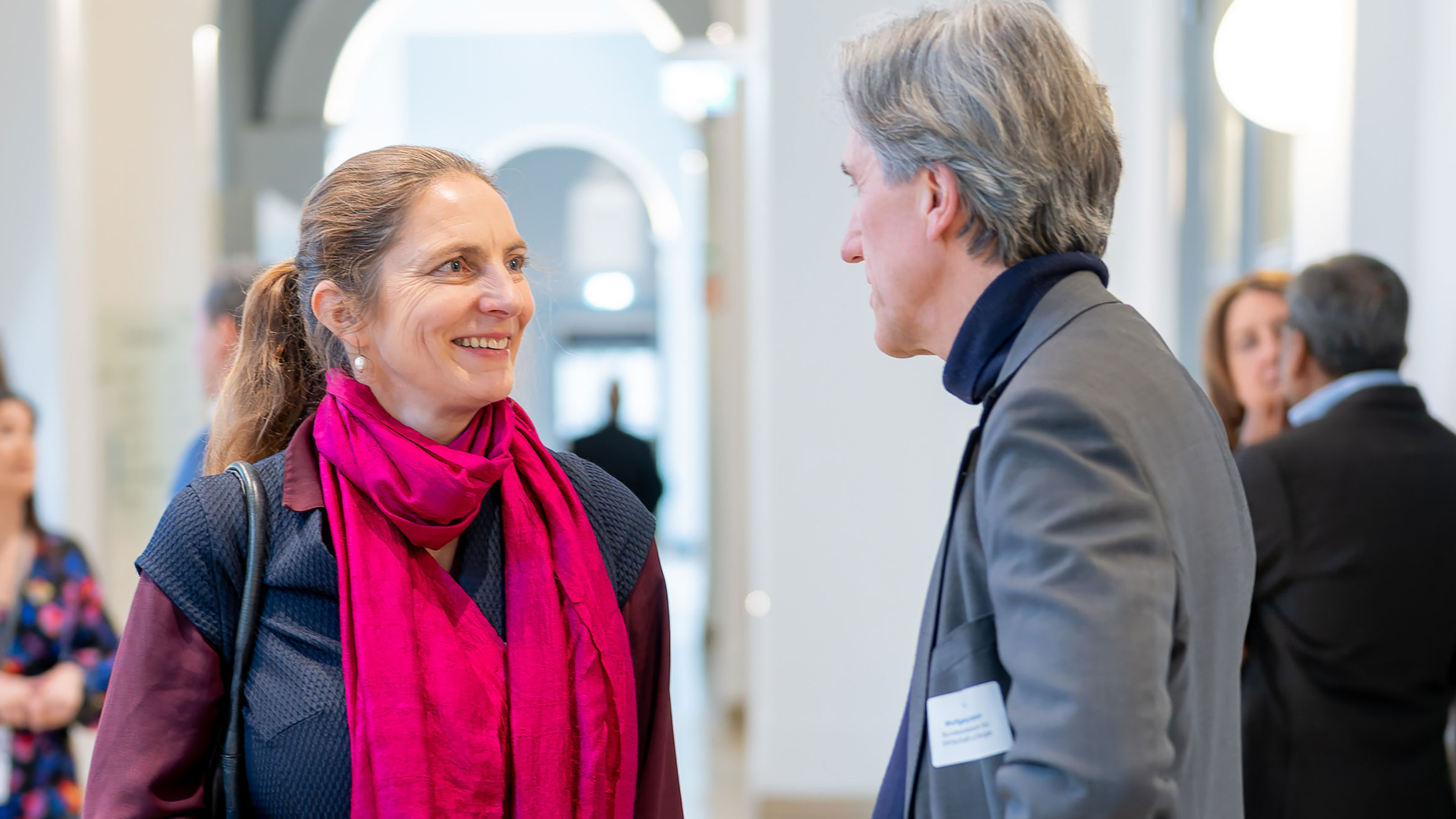
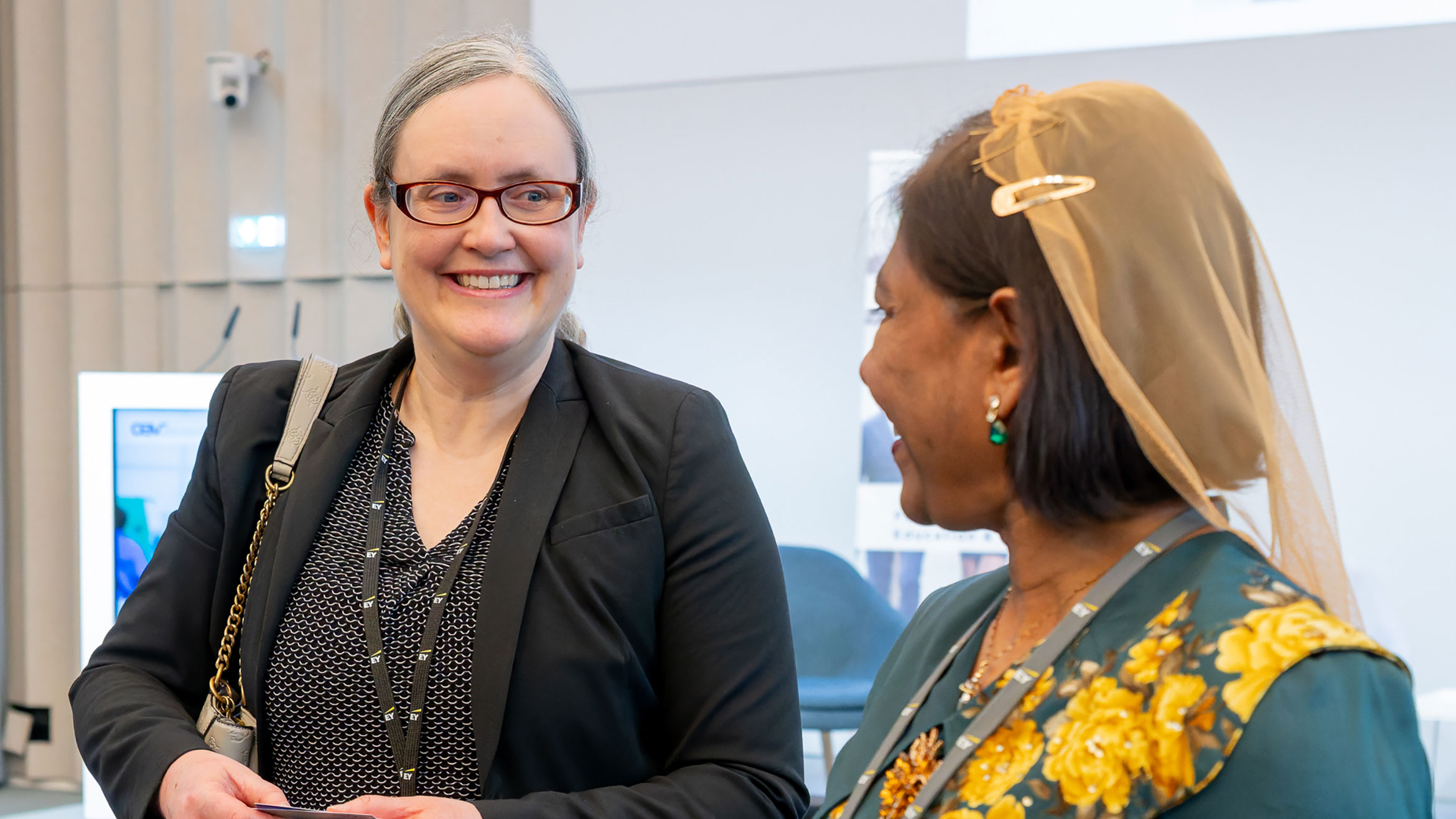
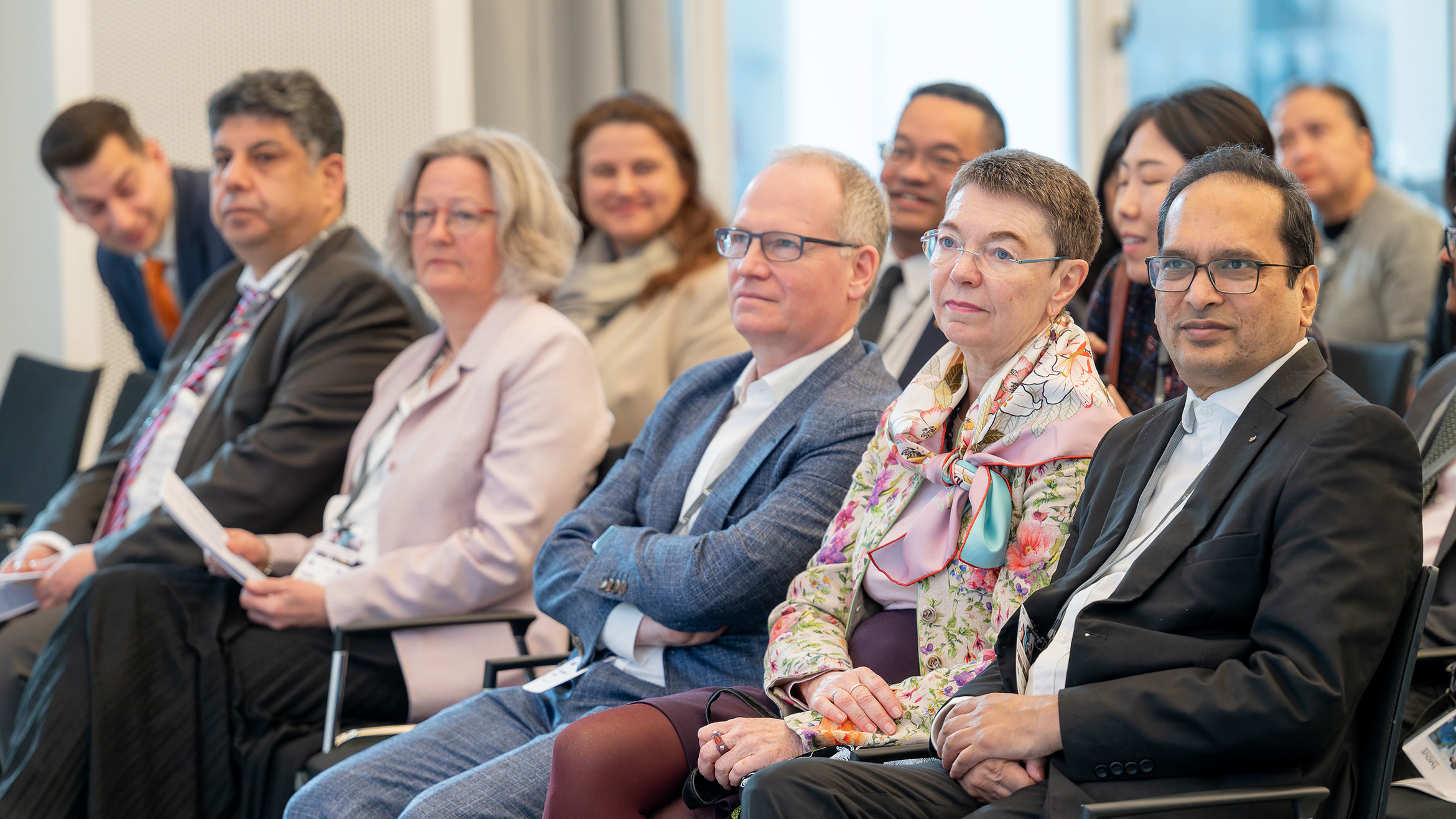
On 27 March 2026, the second German-Asian Education Forum once again brought together around 100 international guests and experts from the fields of business, politics and education to discuss fair recruitment of skilled workers, dynamic vocational training markets and future-oriented synergies in cooperation. It was organised by iMOVE in its long-standing partnership with the OAV at the Hamburg Chamber of Commerce.
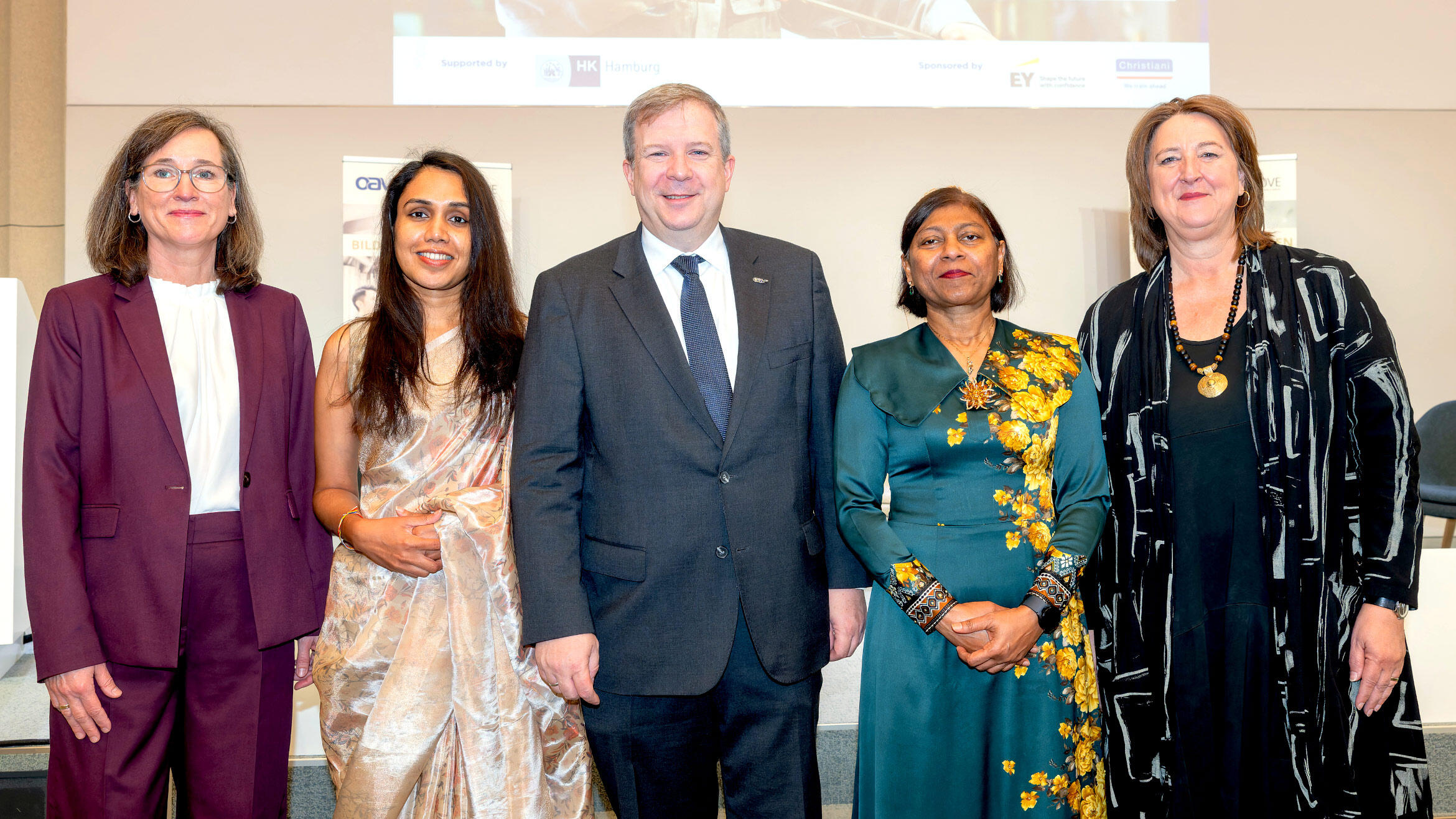
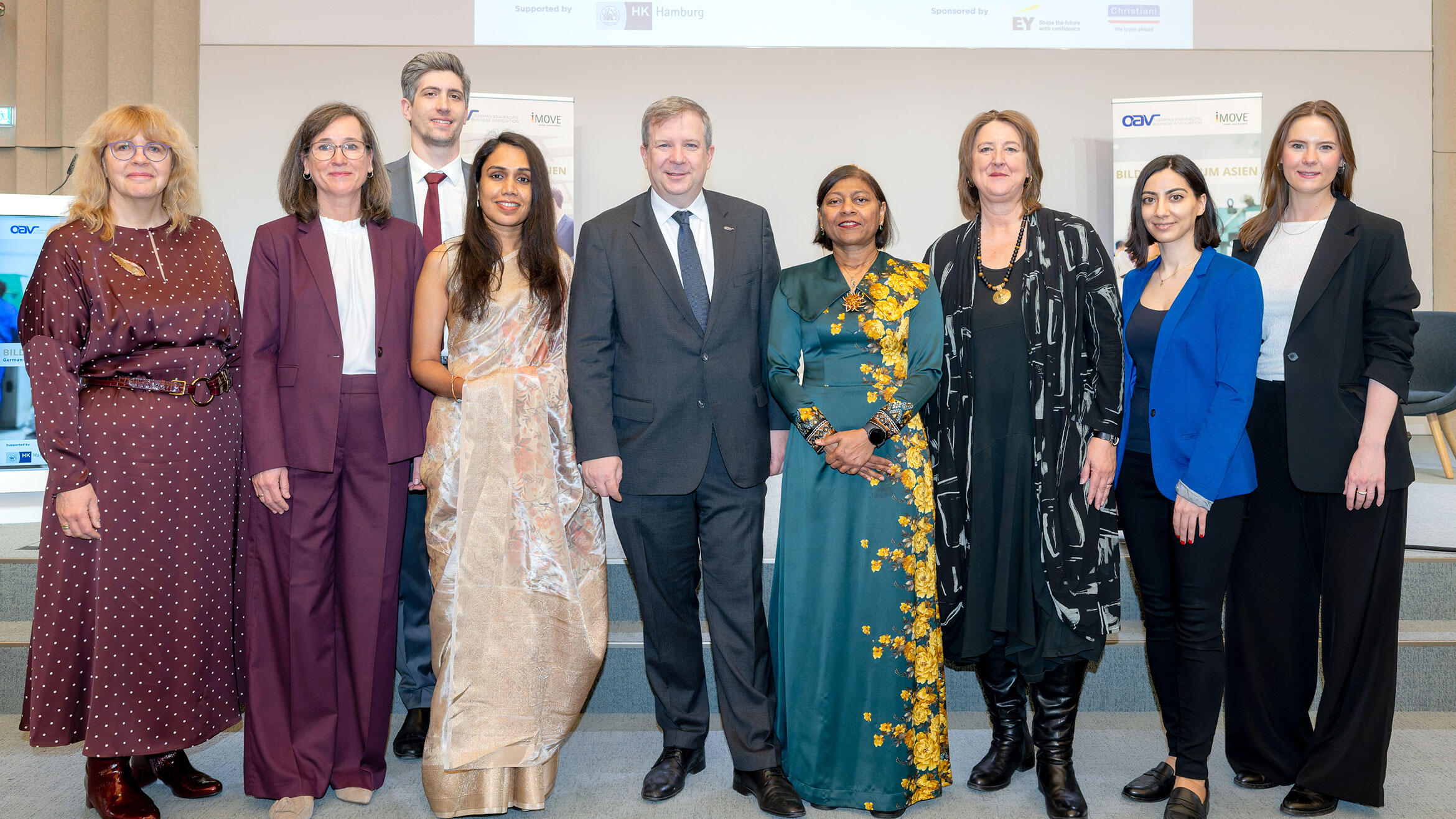
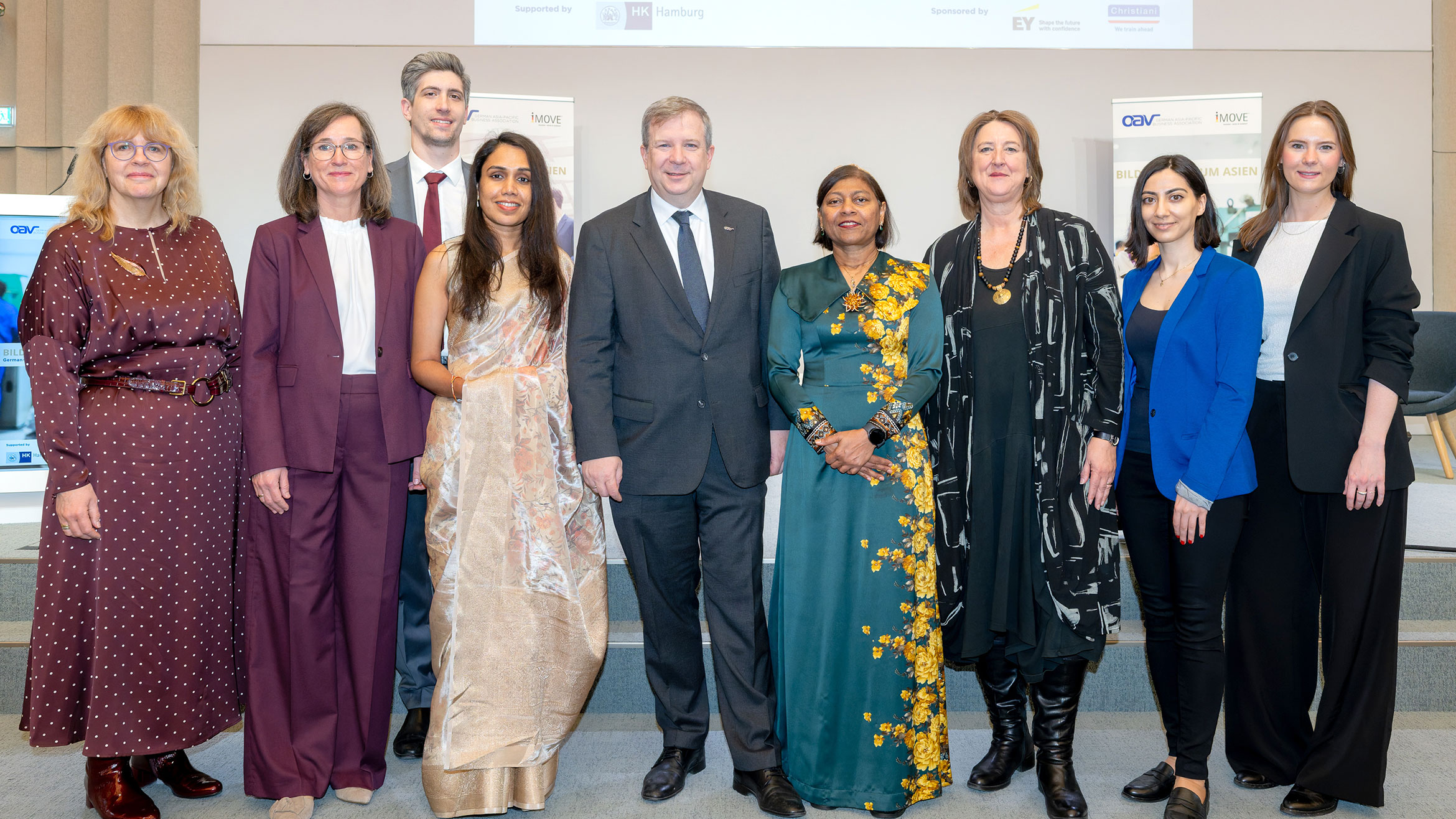
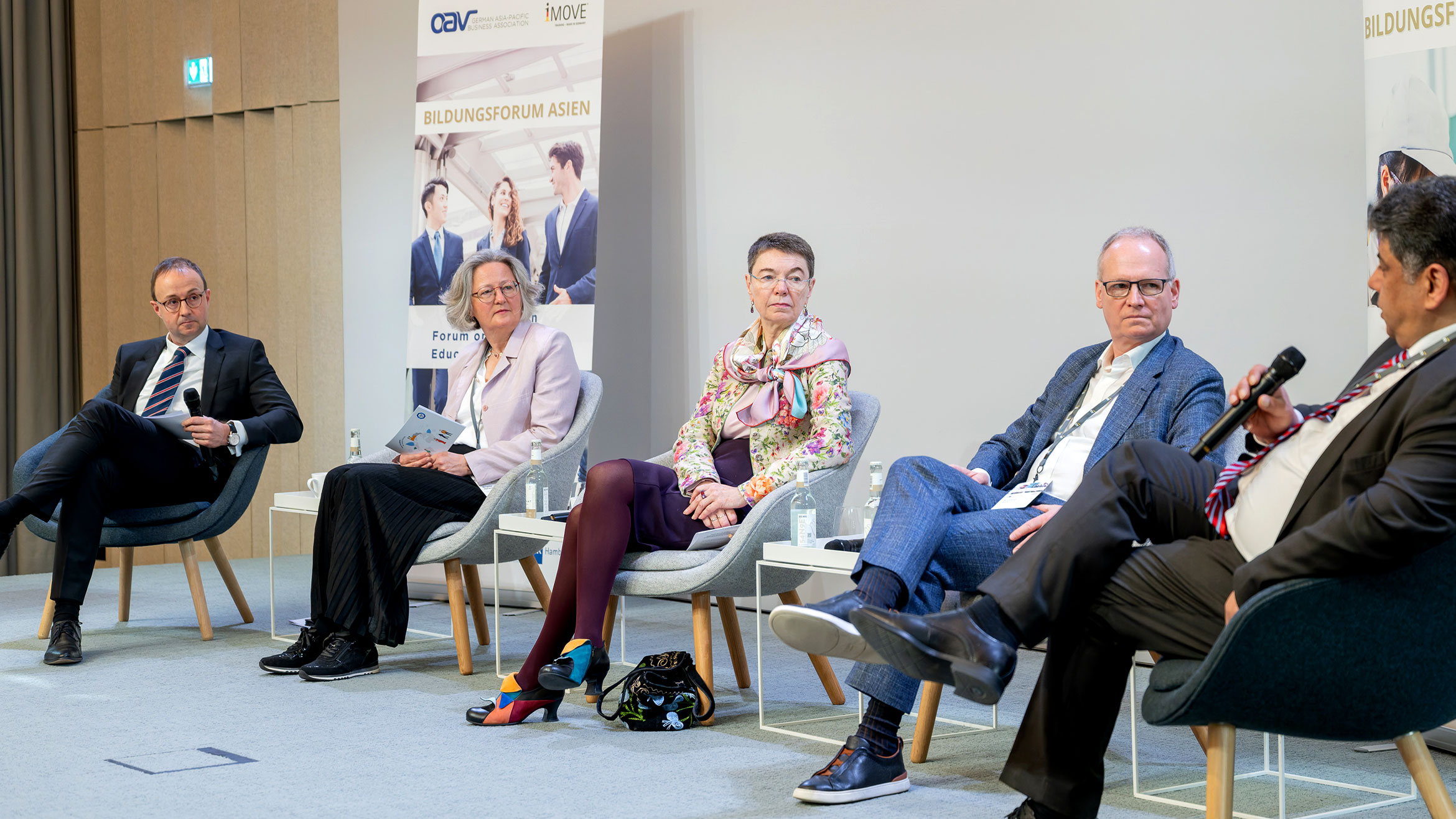
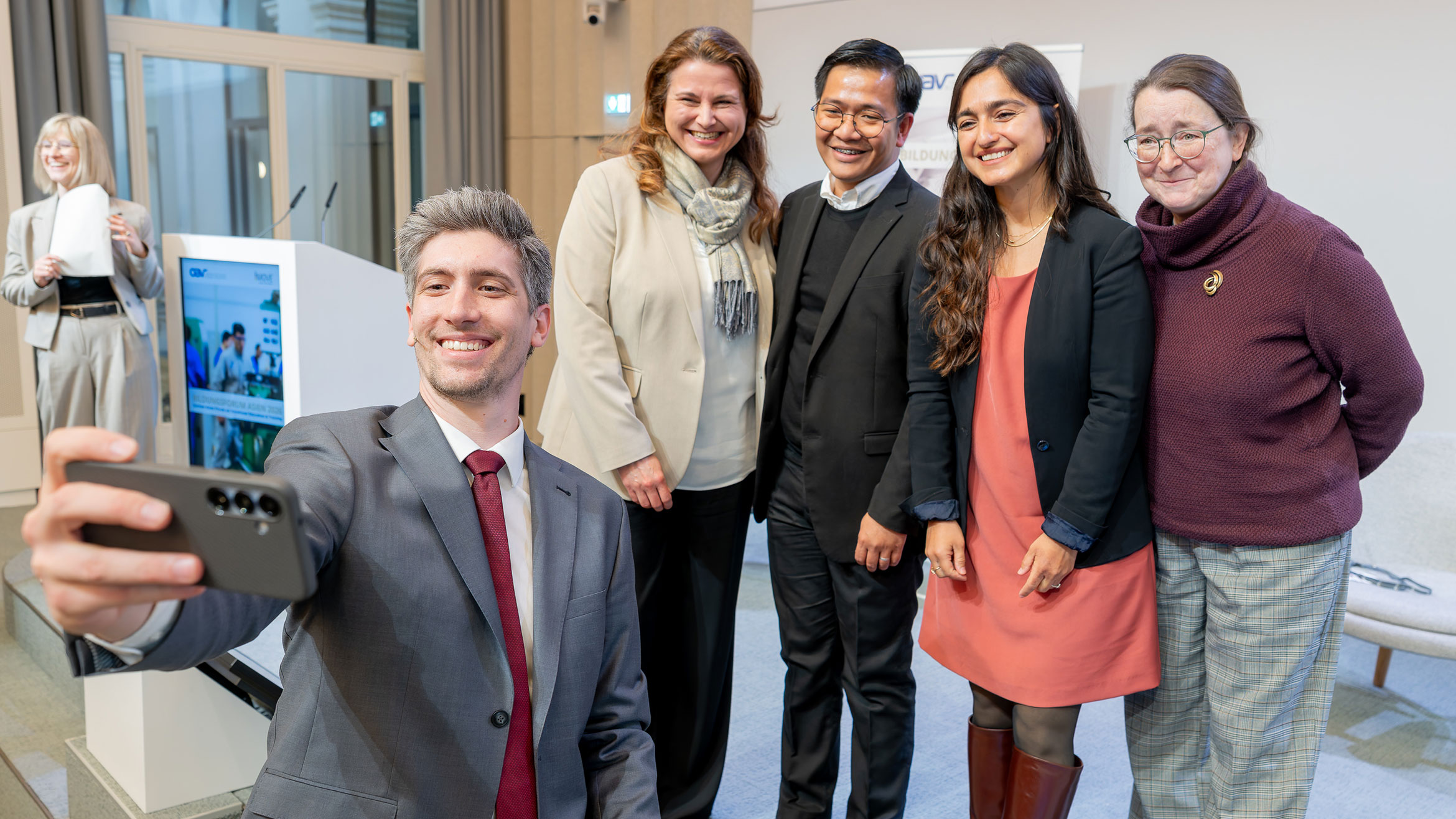
From left to right: Kristine Faenger, Head of iMOVE at BIBB; Thivanka Athuraliya, Charge d'Affaires, Embassy of Sri Lanka; Dr Arnd Nenstiel, Chairman of OAV – German Asia-Pacific Business Association; Aishath Shaan Shakir, Ambassador of the Maldives; Birgit Thomann, Head of the International Vocational Education and Training Department at BIBB
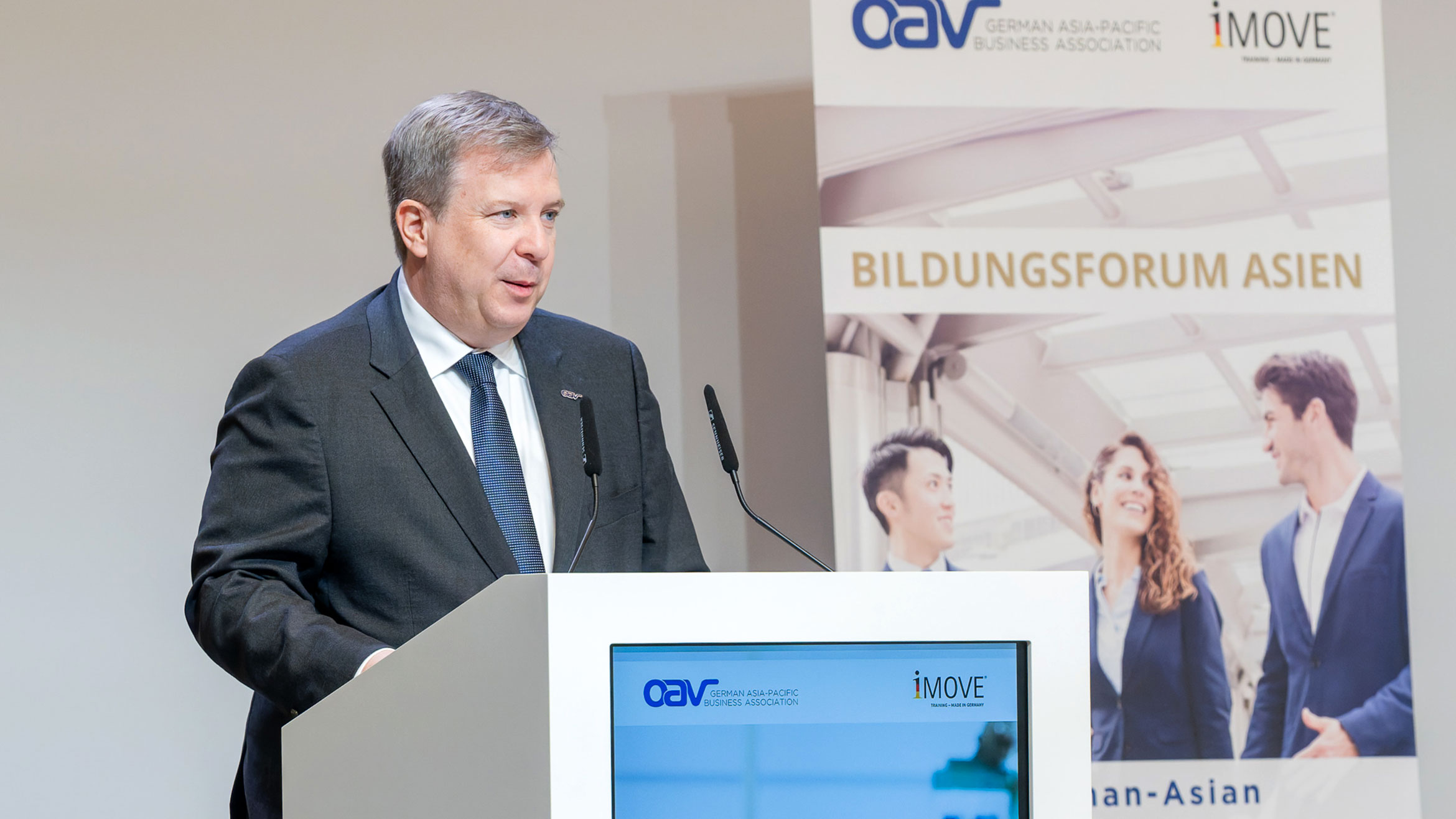
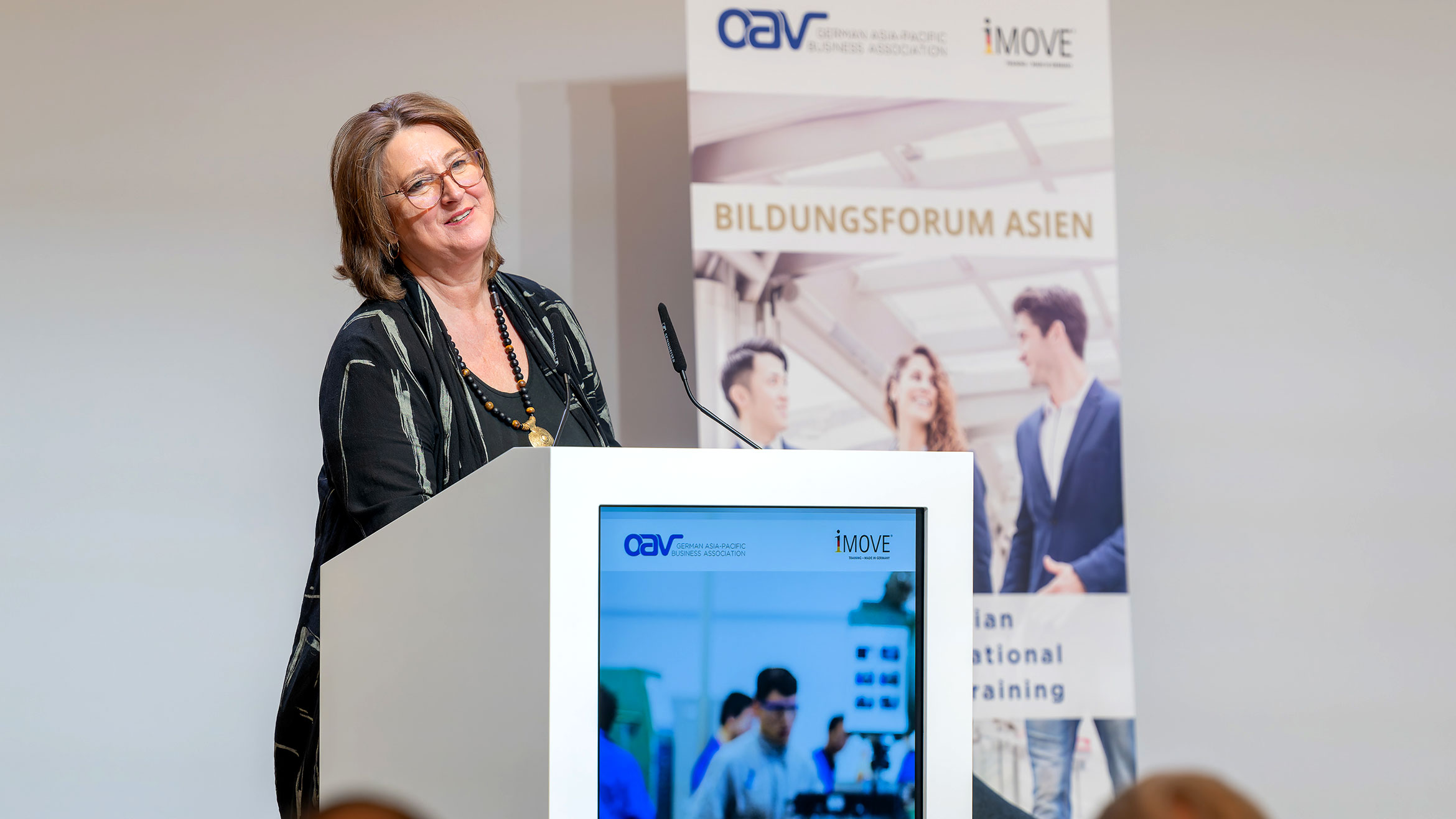
At the start of the event, Dr Arnd Nenstiel, Chairman of the OAV – German Asia-Pacific Business Association, emphasised in his welcoming remarks how much the organisers appreciated the participation – particularly of the international guests – in being part of the forum and its enriching exchange. He specifically named the Ambassador from Bangladesh and the Ambassadors from the Maldives and the Philippines, as well as embassy representatives from China, Indonesia, Korea, Mongolia, Myanmar, Sri Lanka and Thailand, as very welcome guests.
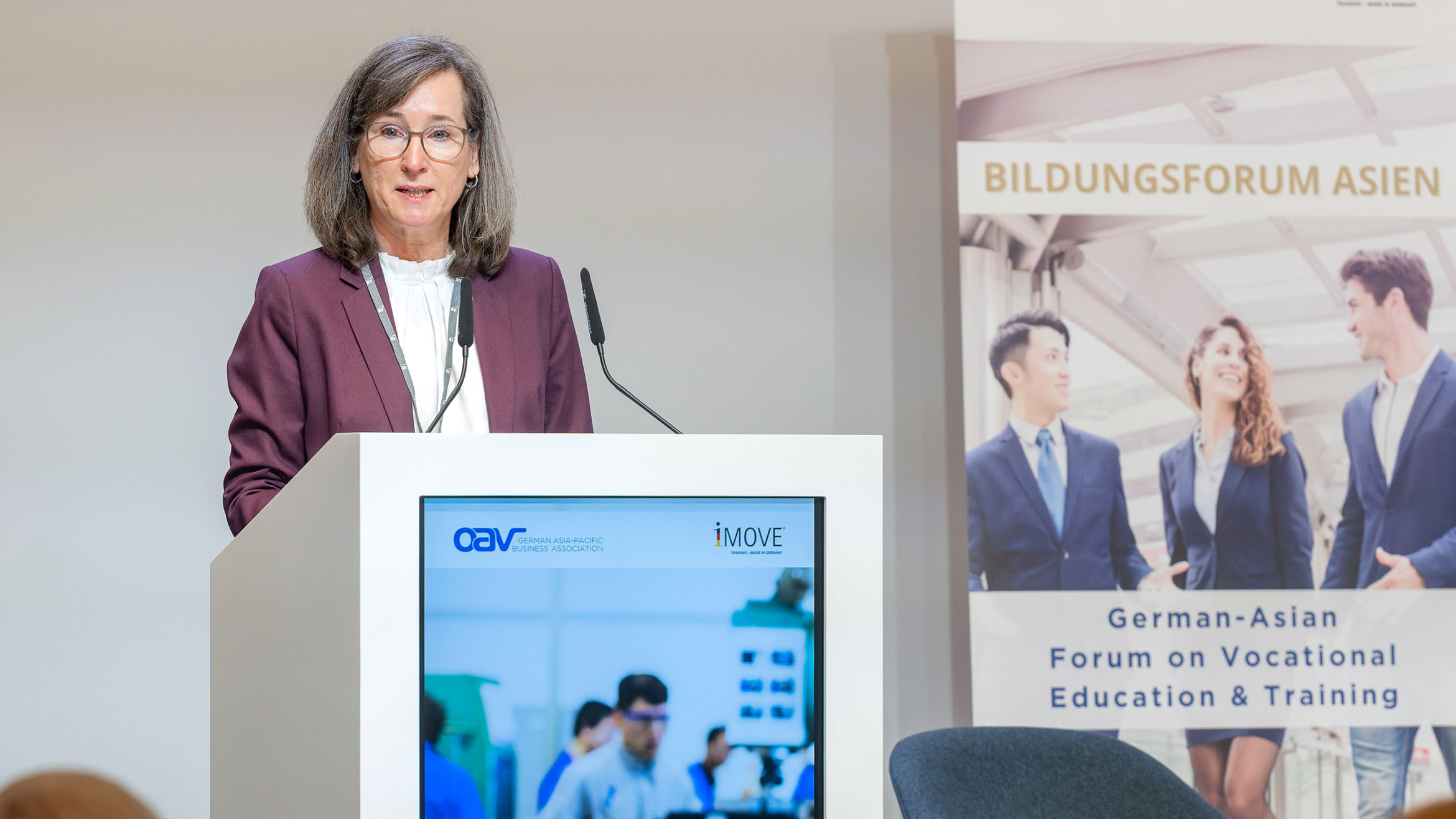
In her opening statement, Kristine Faenger, Head of iMOVE, set the tone for a varied programme centred on the key question of how skilled labour mobility can be shaped in a successful, sustainable and fair manner with the support of the education sector.
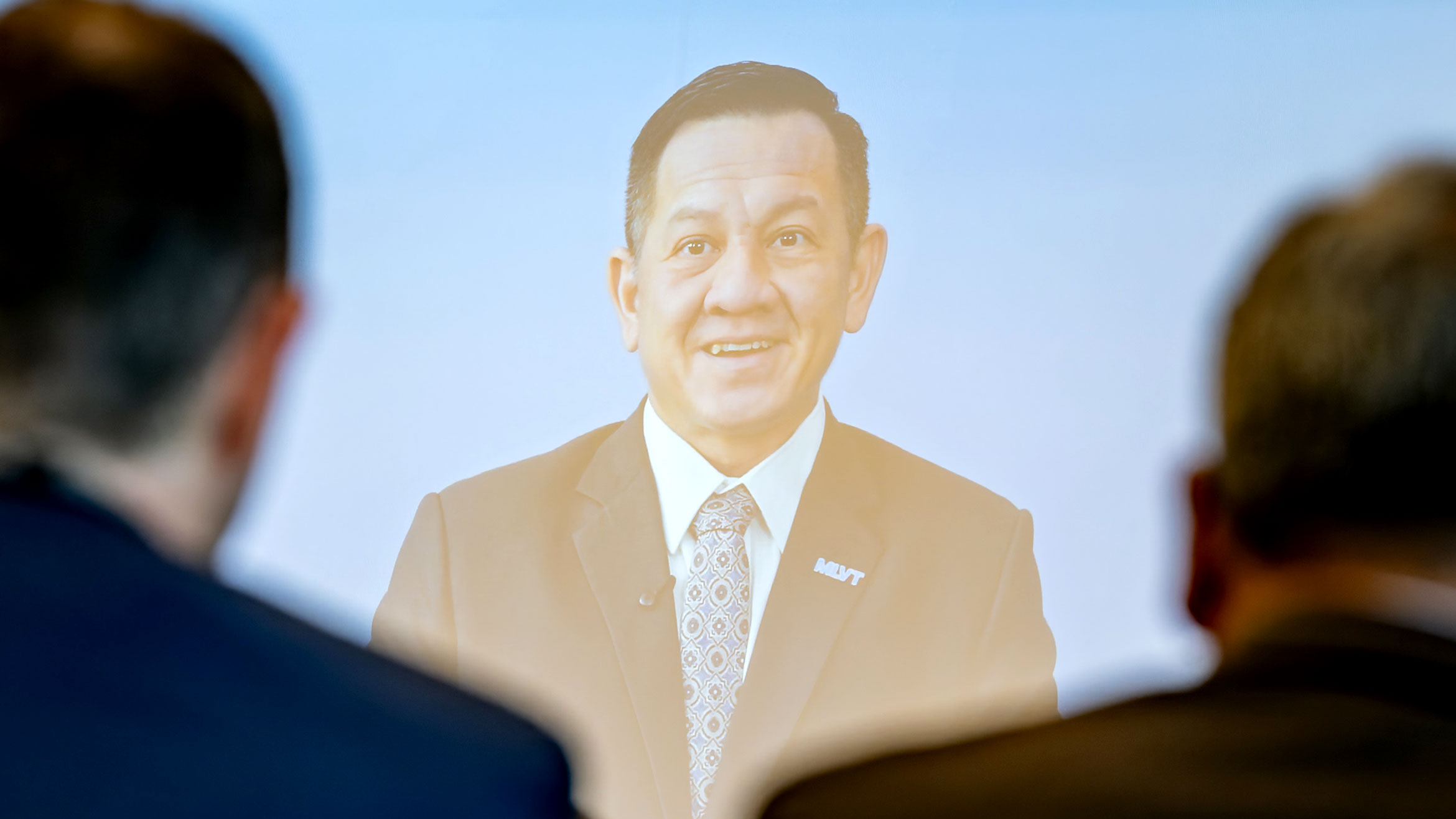
La Vibol, Under-Secretary of State at the Ministry of Labour and Vocational Training of the Kingdom of Cambodia, delivered his keynote address via video message. In his words, German-Asian cooperation in the education sector is currently more important than ever for his country. Above all, technological changes are having a massive impact on global labour markets, where demand for productivity and resilience is growing. Vocational education and training is no longer a secondary educational pathway in Cambodia, but a central pillar of national competitiveness and social progress.
Birgit Thomann, Head of International VET , Federal Institute for Vocational Education and Training (BIBB), also emphasised the growing importance of vocational education and training in international partnerships in her keynote address. A fundamental principle, she said, is cooperation on an equal footing. The common goal is strong partnerships from which all participants benefit. The strategy in Germany aims to strengthen vocational education and training systems in the partner countries whilst paving the way for qualified trainees and skilled workers to come to Germany.
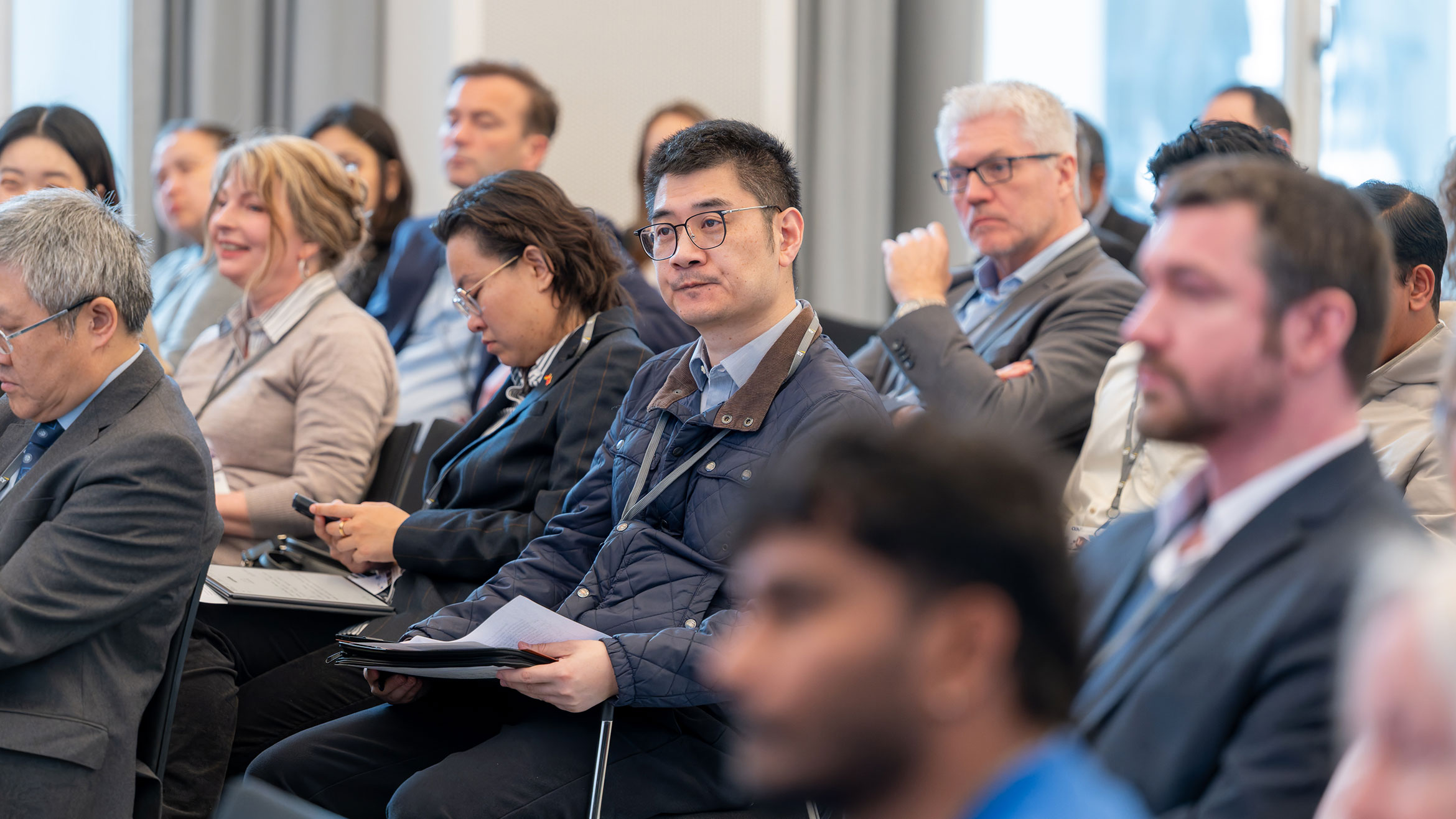
Panel 1: Germany's Connectivity
The first panel of the day, chaired by Enrico Rühle (CEO of Smart Future Campus GmbH), focused on the question "Is German VET Losing Ground in Asia? Strengthening Industry-Education-Policy Partnerships". The discussion centred on the situation in the Chinese market.
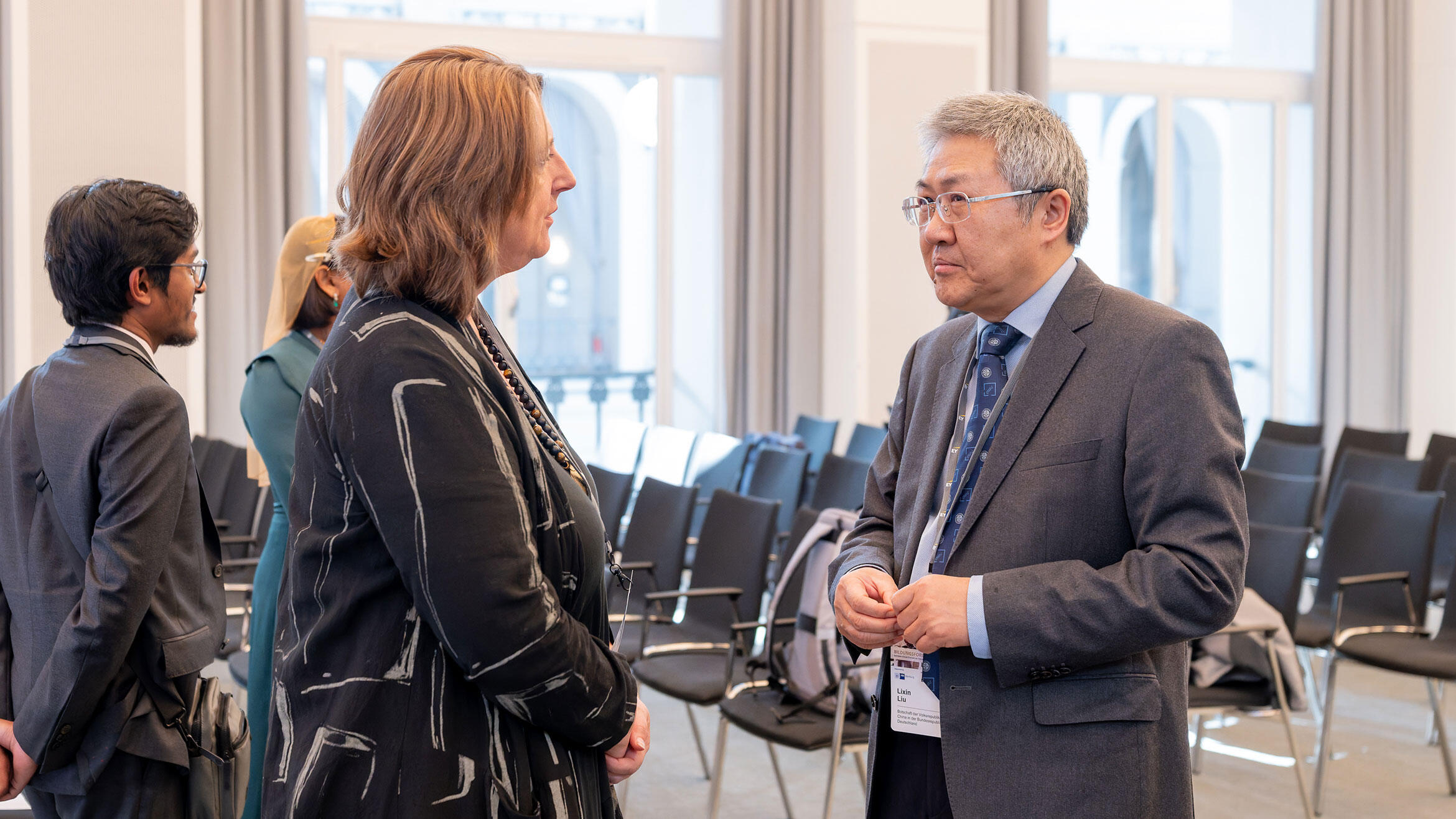
The German Ambassador to China, Dr Patricia Flor, noted that in current German-Chinese relations, it is more important than ever that cooperation benefits both sides. She stated that Germany remains world-class in the field of vocational training, but that the landscape is changing rapidly due to new technologies and the use of artificial intelligence.
Andreas Dick, a member of the board at Škoda Auto who has been active in China for almost 13 years, confirmed her statement and added that whilst training based on dual principles traditionally enjoys a good reputation in China, there is a risk of falling behind in the dynamic Chinese market without rapid adaptation and the integration of cutting-edge technologies such as artificial intelligence.
The speed at which new industry demands for different skills are emerging in the labour market is forcing companies to rethink their approach and seek increasingly flexible solutions, reported Brigitte Hanemann, an expert in global business development at TÜV SÜD Akademie GmbH.
With regard to the risk of Germany losing its competitive edge in Asia, Fathi Jamal, Export Manager at Dr.-Ing. Paul Christiani GmbH & Co. KG, pointed out that, in the face of competition from other countries in the Chinese market, Germany needs invest more in holistic solutions involving local governments, local TVET schools and local companies.
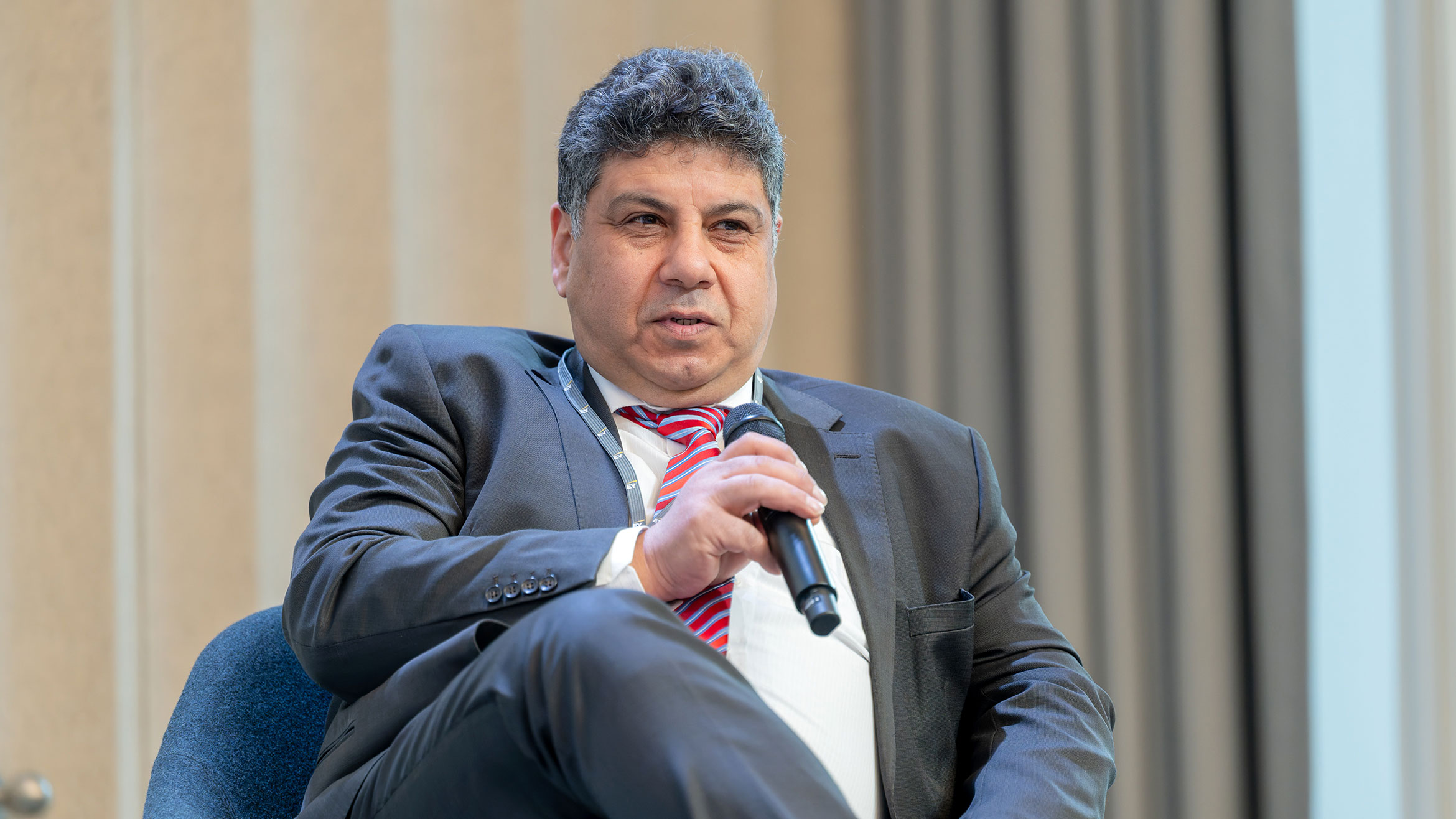
Panel 2: Case study: Fair recruitment of skilled workers
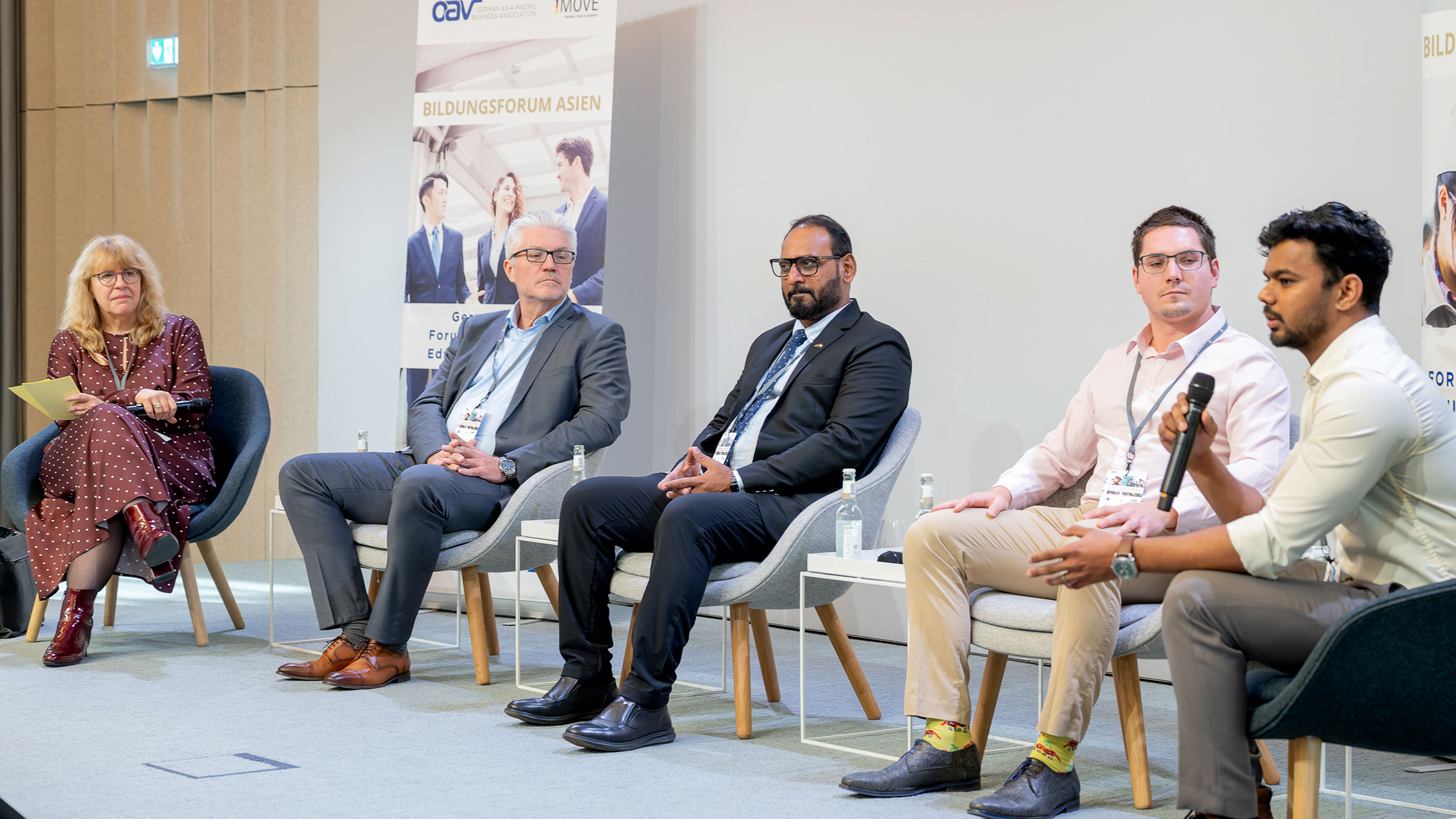
The much-discussed topic of recruiting skilled workers from abroad and the associated need for transparent recruitment was addressed by the second panel of the morning using an example of fair labour migration from India.
The panel, moderated by Silvia Niediek (Regional Manager at iMOVE), gave the audience at the Education Forum an authentic insight into the complex immigration process.
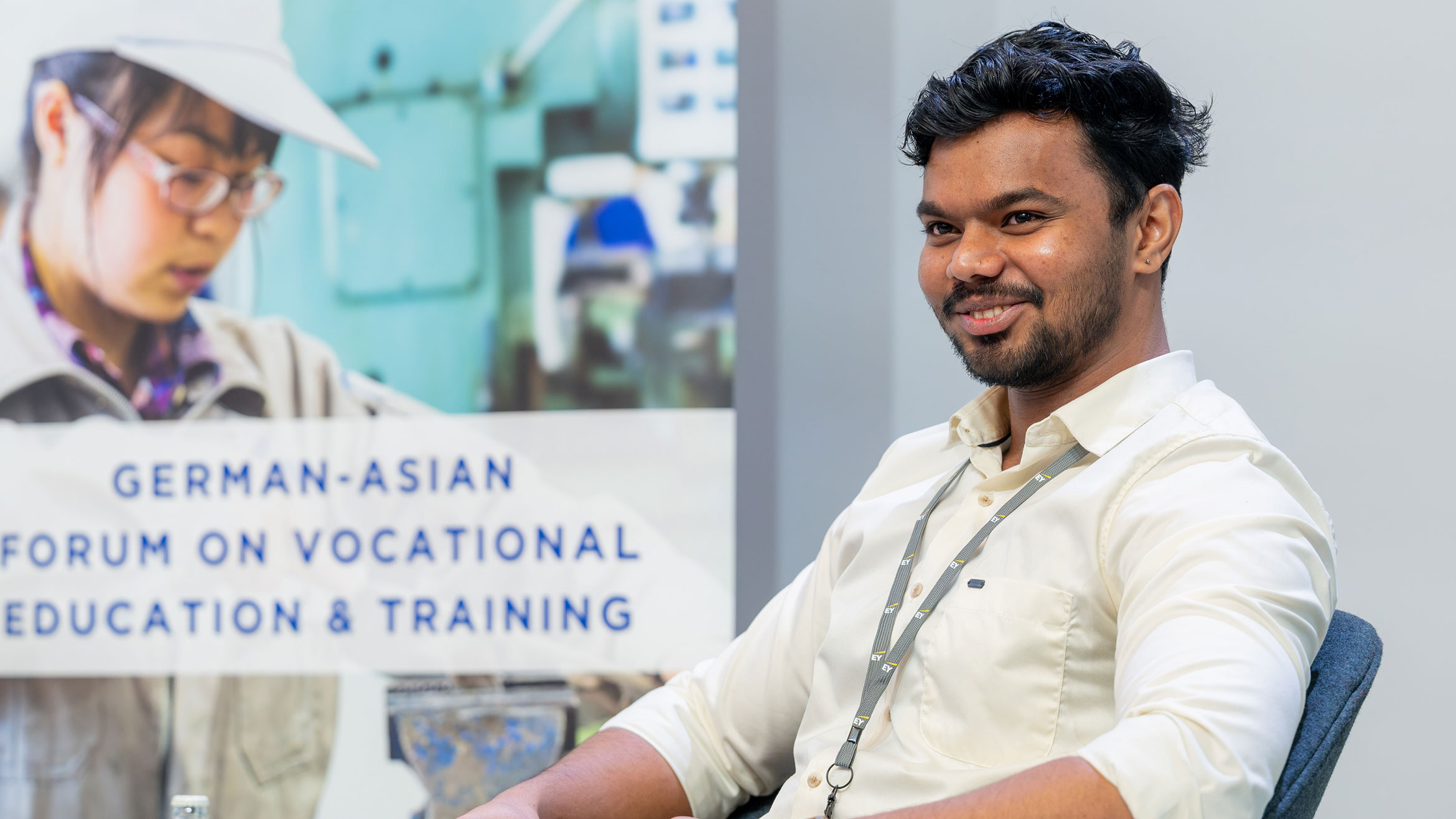
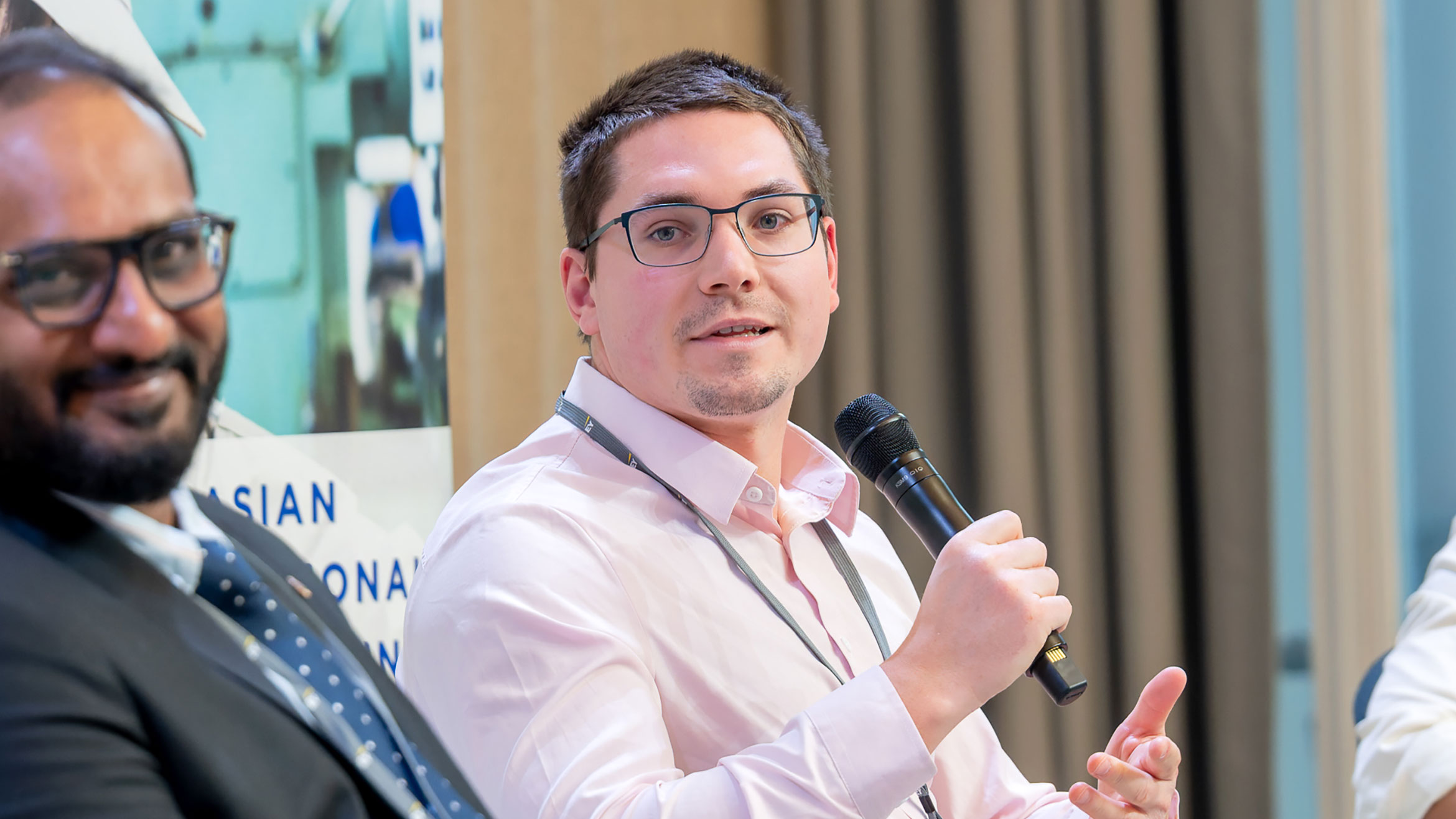
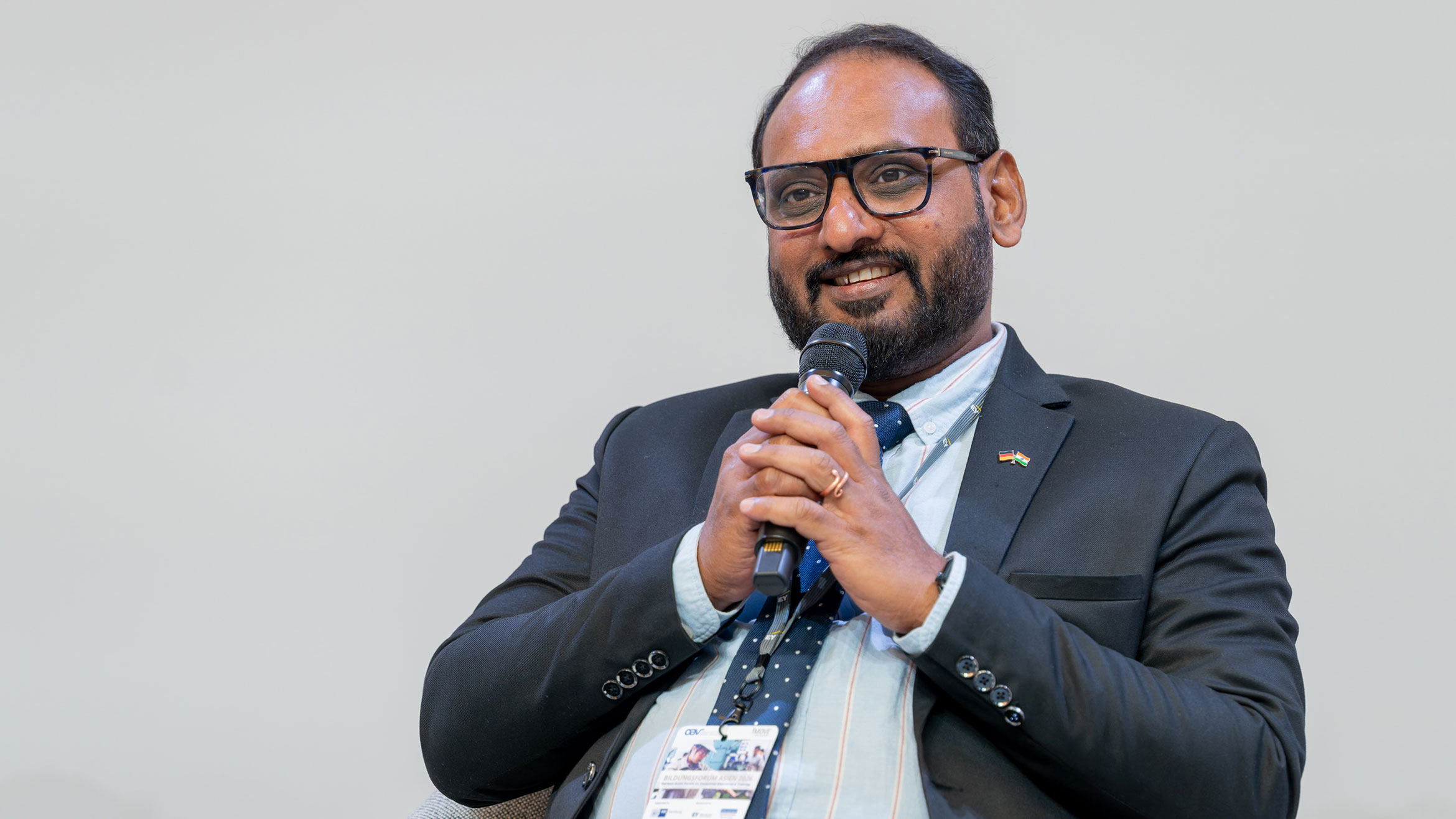
Ren Sebastian Kattiparambil Kunjappan, from the state of Kerala, described how he is currently undergoing training as a train driver at AKH Eisenbahn GmbH and is also acquiring specialist knowledge through daily evening meetings with his colleagues.
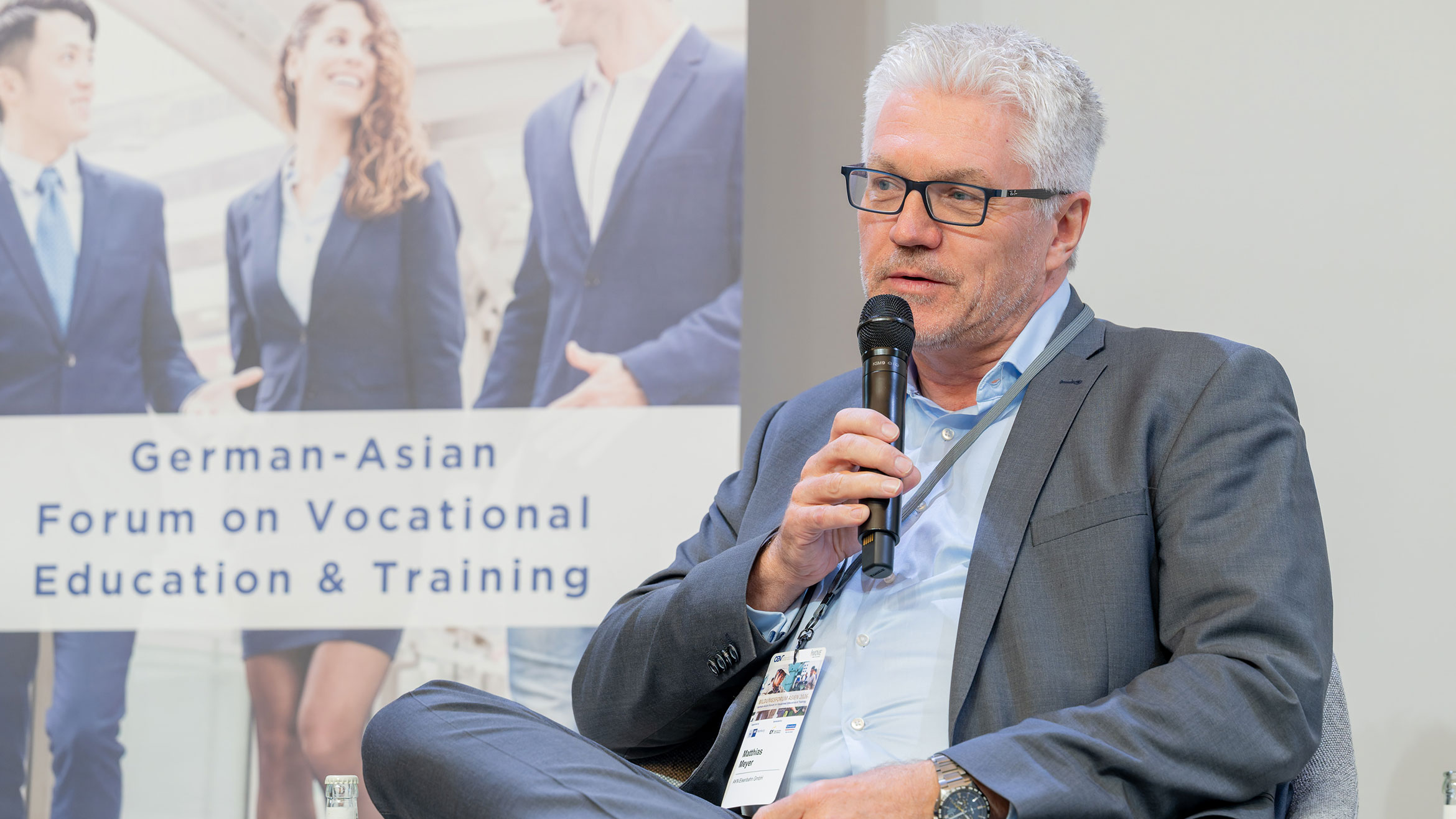
Matthias Meyer, CEO of AKH Eisenbahn, described how the recruitment process worked from a business perspective. In collaboration with the recruitment agency HonestPassion Global GmbH, represented by its CEO Philipp Hartmann, both outlined the process of identifying young international talent for the German labour market and preparing them thoroughly. The entire process is completely transparent for all involved and takes around 18 months. In addition, HonestPassion Global provides one year of support in Germany. Matthias Meyer emphasised that the trainees' technical language skills currently pose the greatest challenge, as there is a severe lack of industry-specific teaching materials.
Arunachalam Karthikeyan, Head of the iMOVE Contact point India, also cited the acquisition of German language skills in India as a major problem. Due to the growing interest in employment in Germany and Europe, the demand for language courses can barely be covered, leading to an increasing number of private language institutes offering German courses. However, in terms of teaching staff, didactics and methodology, there is a lack of quality. He sees great potential here for further standardisation and the expansion of language institutes with the appropriate expertise.
Spotlight: The German Government's skilled labour strategy
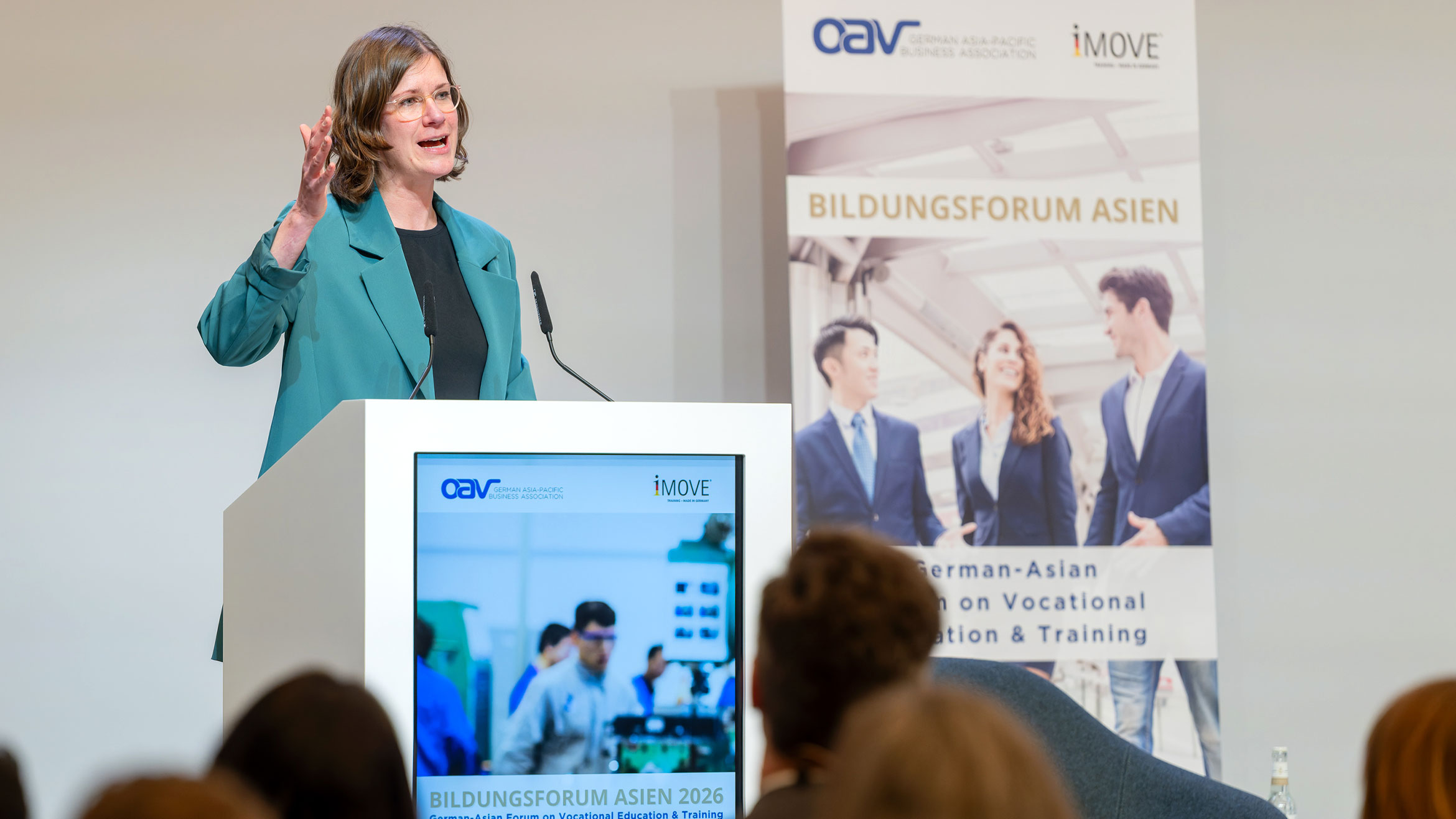
In a spotlight session between the panels, Dr Merle Kreibaum, Senior Policy Officer at the Federal Ministry for Economic Cooperation and Development (BMZ), emphasised the importance of vocational training and highlighted it as a central aspect of development cooperation.
With the launch of the Skilled Workers Alliance on 12 March 2026, the BMZ is continuing to implement the German government’s skilled workers strategy through "WE-Fair: Economy and Development for Fair Recruitment of Skilled Workers". The key points of the Alliance can be summarised in four objectives:
Firstly, there is a commitment to transparent rules and fair recruitment of skilled workers. Secondly, training programmes should be created that qualify participants for work both in Germany and in their countries of origin. Furthermore, digital education should be expanded and digital advisory services extended. Administrative processes should also be digitised. As a fourth point, the BMZ has committed to distributing costs and risks among the stakeholders so that employers can protect themselves against the risk of staff absences and skilled workers can cover the costs of further training or relocation. It is also important to promote success stories and share good ideas with one another.
Panel 3: Vocational training versus development cooperation: synergy or competition?
The field of vocational training is relevant to both the economy and development cooperation. The first panel of the afternoon therefore addressed the question: "Synergy or competition? Maximising opportunities for German VET with development cooperation in Asia-Pacific".
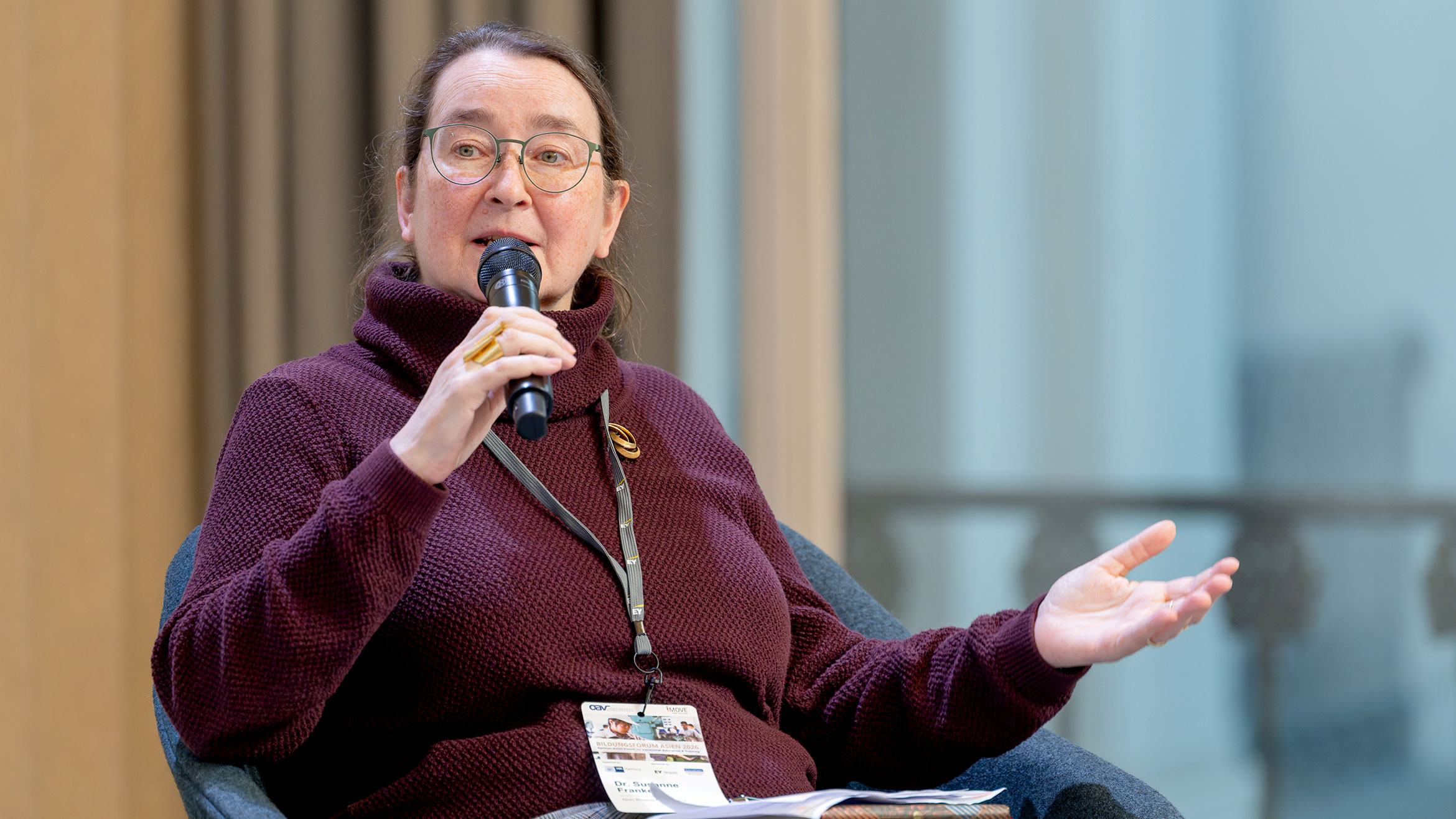
Moderated by Sören Konaretzki (Regional Manager at OAV), the discussion featured Nadja Schneider (Public Affairs Manager at Lucas Nuelle GmbH), Mark Carlos Tito G. Gumapon (Deputy Executive Director for Policy and Advocacy at Don Bosco One TVET Philippines Inc.), Afsana Rezaie (Deputy Programme Director of the TVET Reform Programme Viet Nam at the Deutsche Gesellschaft für Internationale Zusammenarbeit GIZ GmbH) and Dr Susanne Franke (Corporate Cooperation at Don Bosco Mondo e.V.).
Tito Gumapon highlighted that there is no competition between vocational education and training (VET) and development cooperation (DC), provided that the roles of all stakeholders are clearly defined. Nadja Schneider echoed this statement and spoke of her experiences with GIZ projects, in which the education sector, with its decades of experience, is not sufficiently recognised or involved by decision-makers in development cooperation.
From the perspective of DC, Afsana Rezaie underlined that development cooperation possesses the expertise in the allocation of funds, but that the education sector can and should meet the necessary educational requirements in terms of content and technical skills.
Above all, it is essential to meet the requirements of TVET centres abroad and local companies, said Dr Susanne Franke. Even after ten years, demand for well-equipped training centres and the further qualification of teaching staff in the Asia-Pacific region continues to grow. Train-the-trainer programmes, as a proven further training concept and a contribution to sustainable vocational education and training, are essential in this regard.
Panel 4: The education sector and skilled labour recruitment
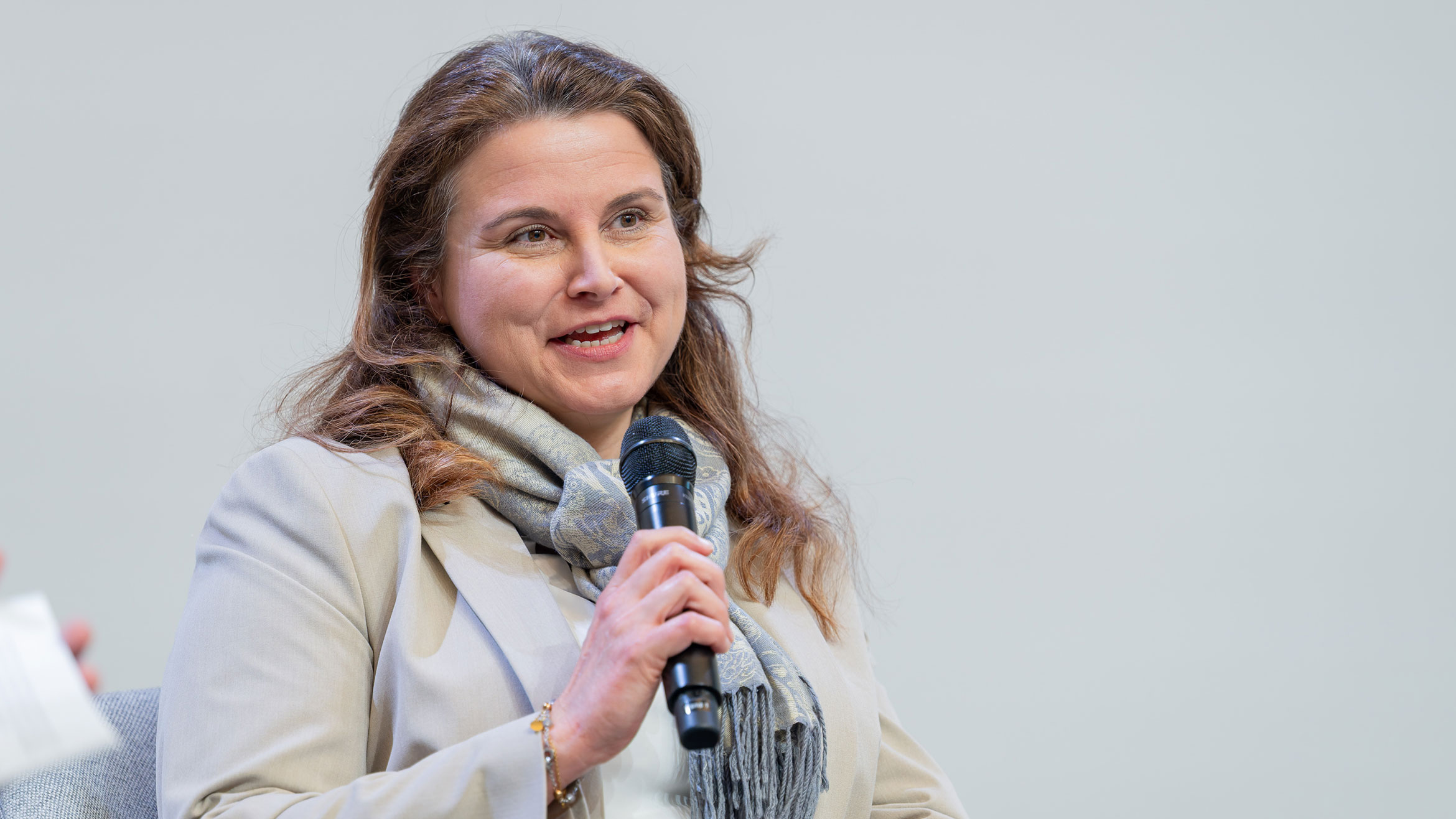
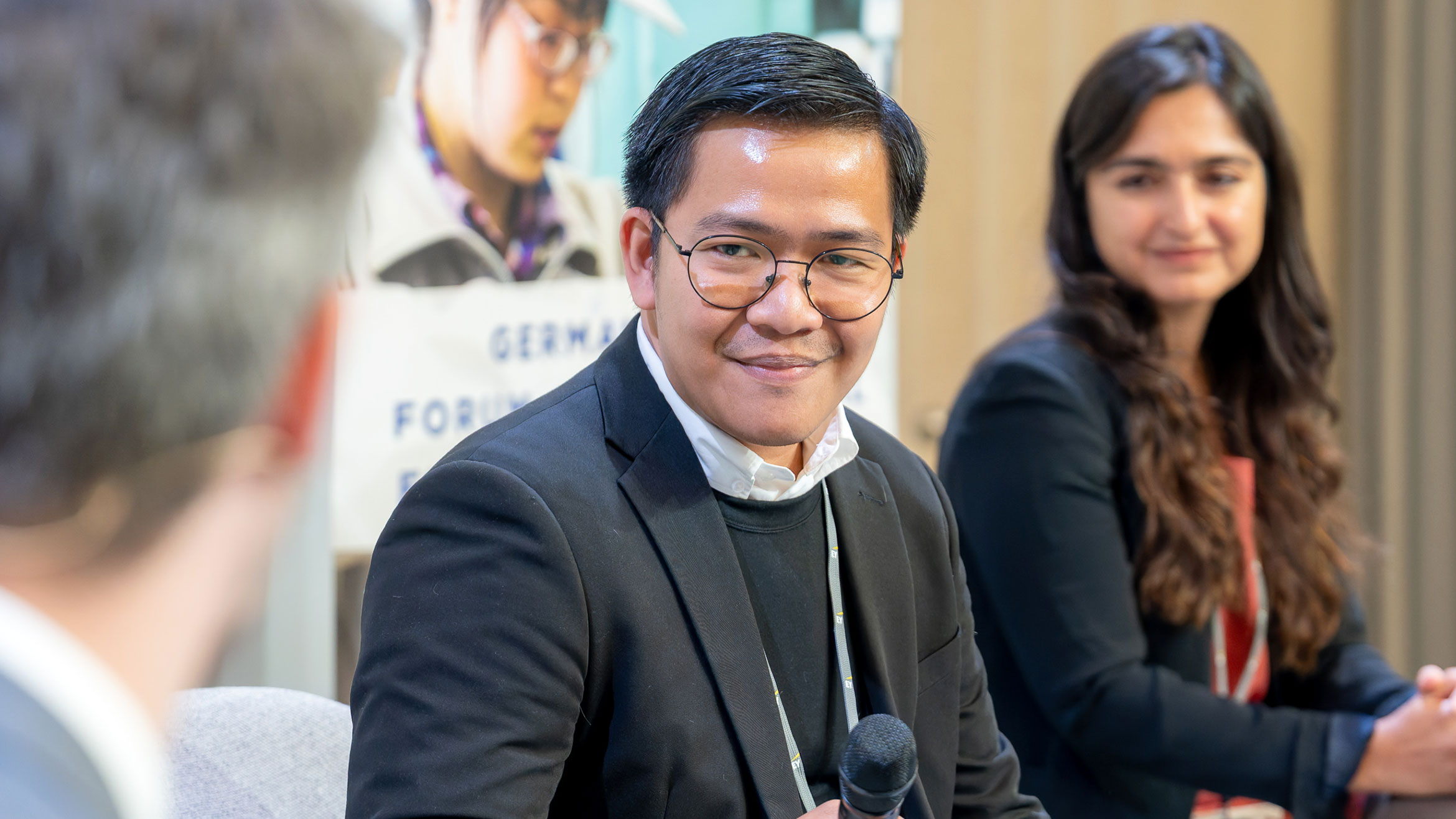
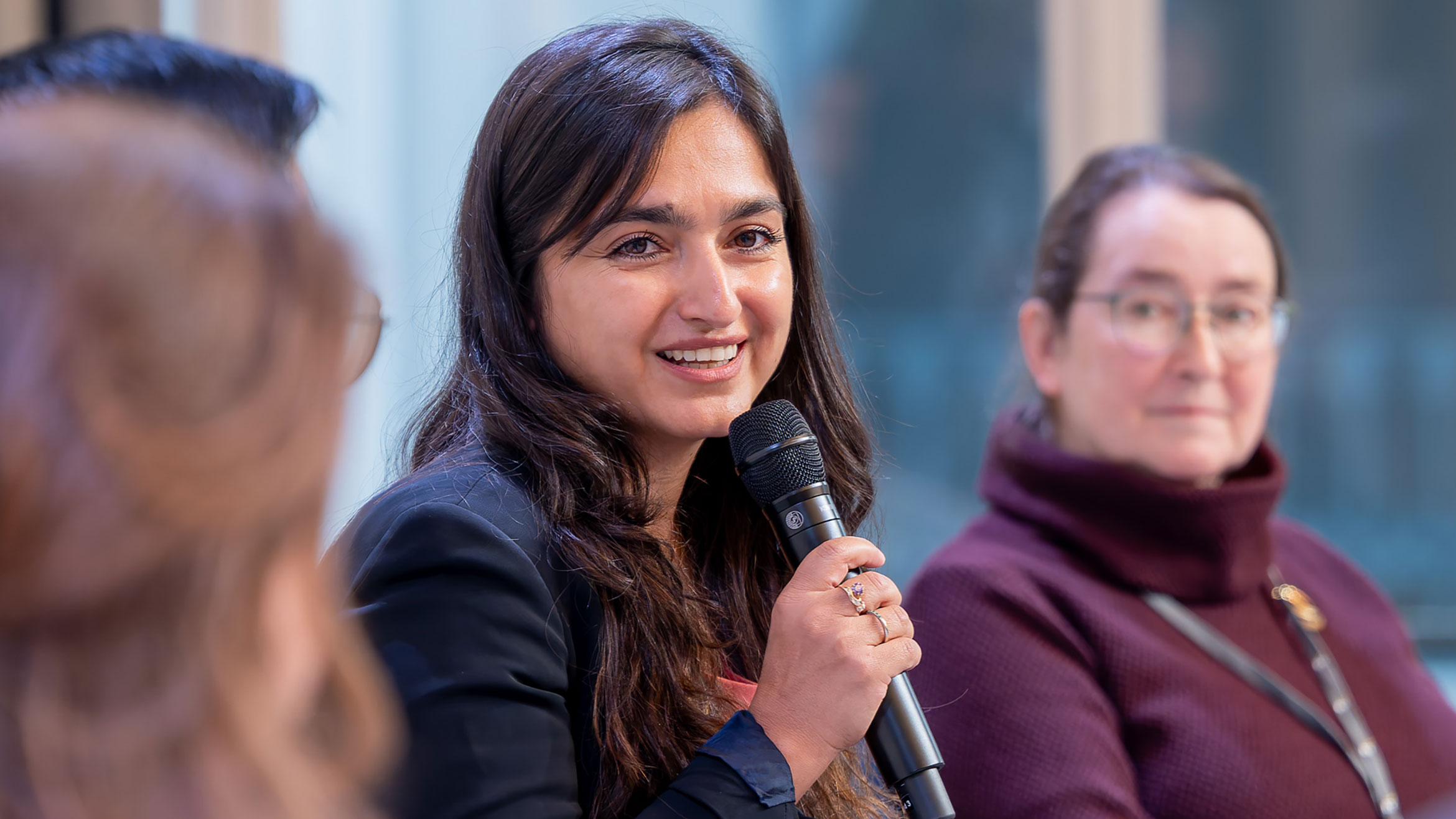
The market for international talent is becoming increasingly competitive. Many German companies are competing globally with English-speaking countries to attract new skilled workers from abroad. In the forum’s fourth panel, participants engaged in a lively discussion on how the education sector and businesses can collaborate even more effectively and closely in the future when it comes to recruitment.
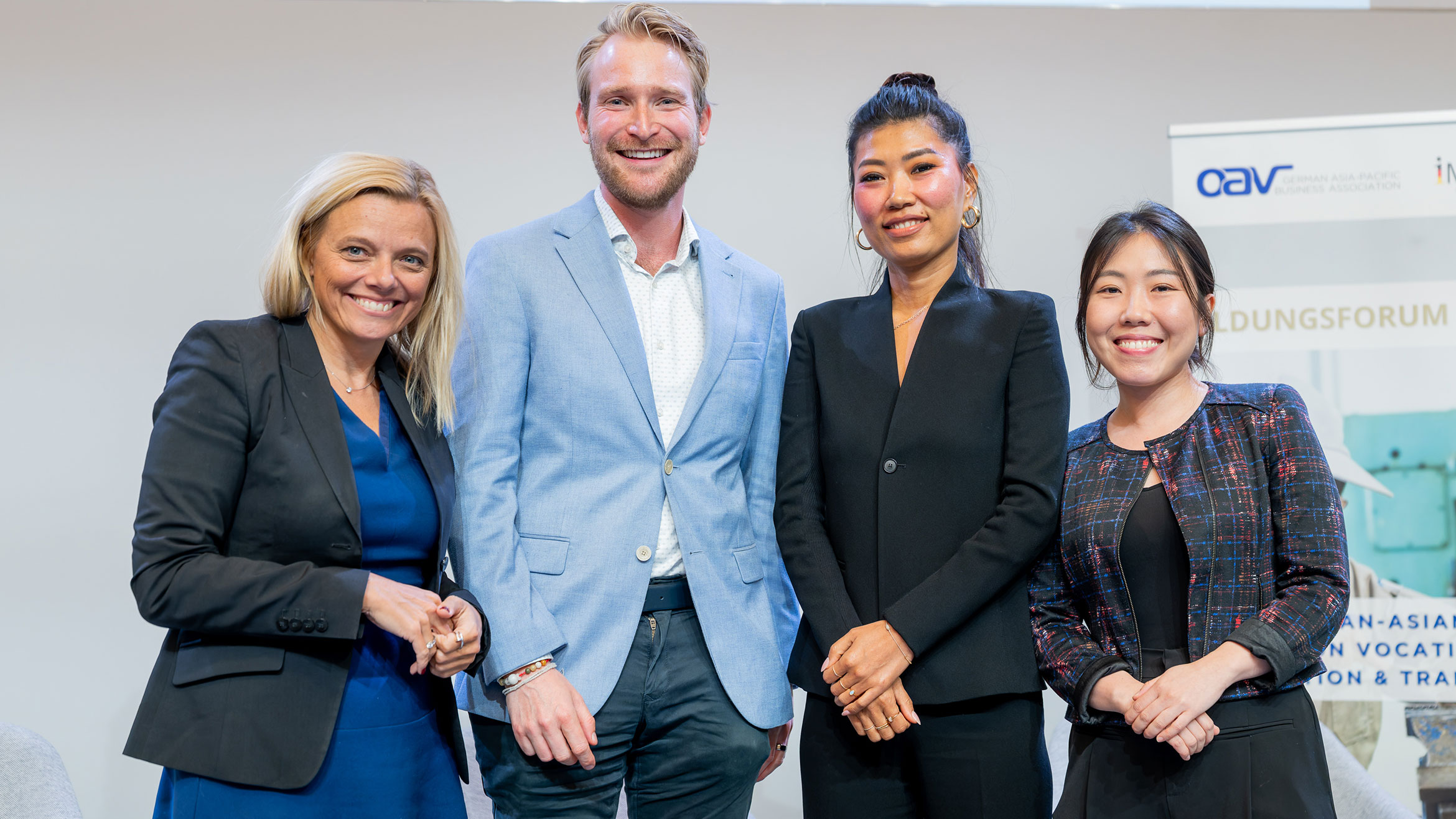
Janina Habla (Managing Partner at EY Tax GmbH) hosted the session.
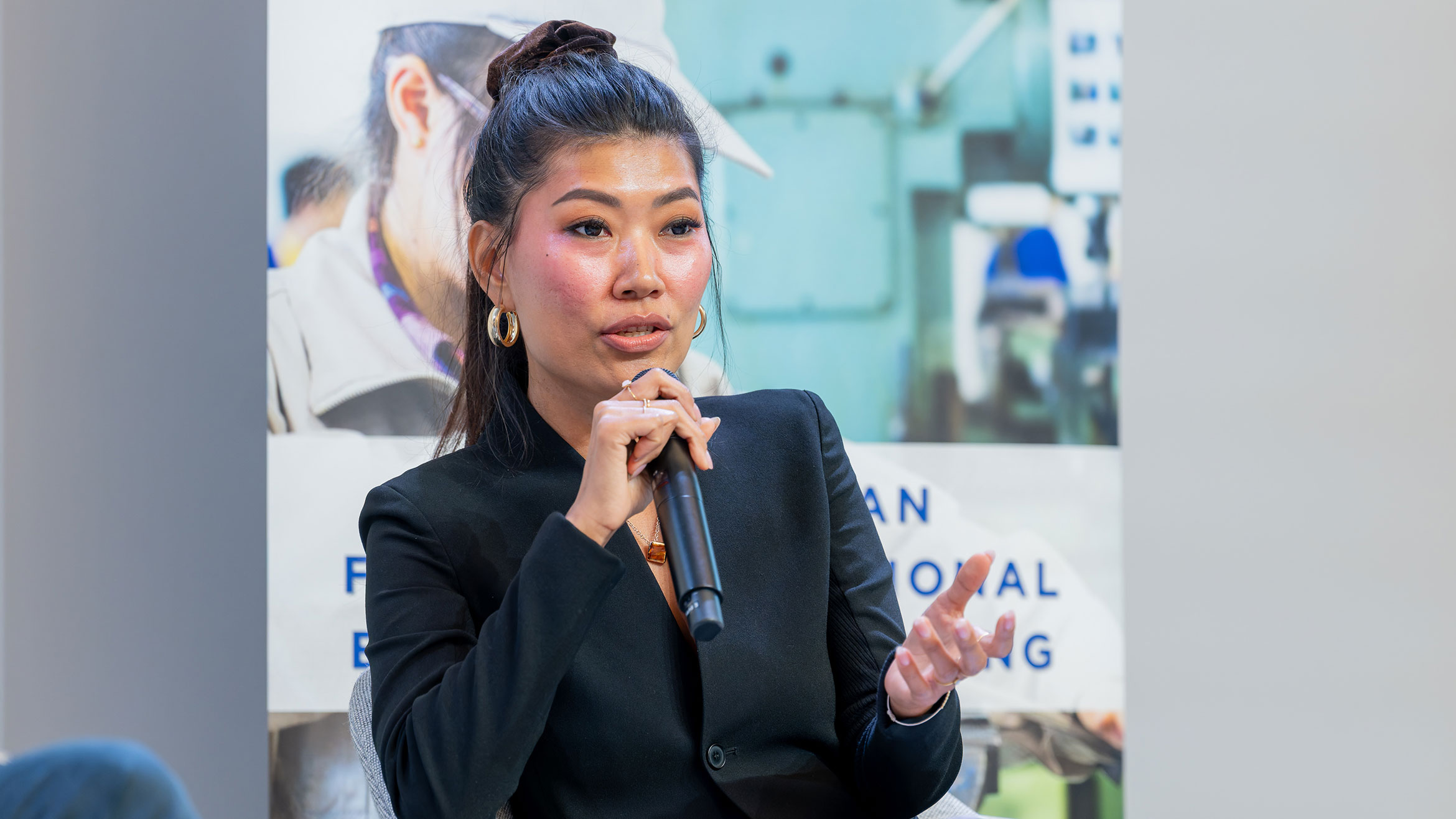
Fiona Thu, Partner at Contagi GROUP GmbH Southeast Asia, noted that there is a significant gap between what the market has to offer and what companies are looking for, not least due to rapidly evolving market conditions driven by AI and modern technologies.
Gyvinne Koh, CEO of German Educare, cited advantages that German companies have over, for example, other Asian employers, such as the fact that Germany offers a good ‘work-life balance’, fair wages and good working conditions, which Asian employees value.
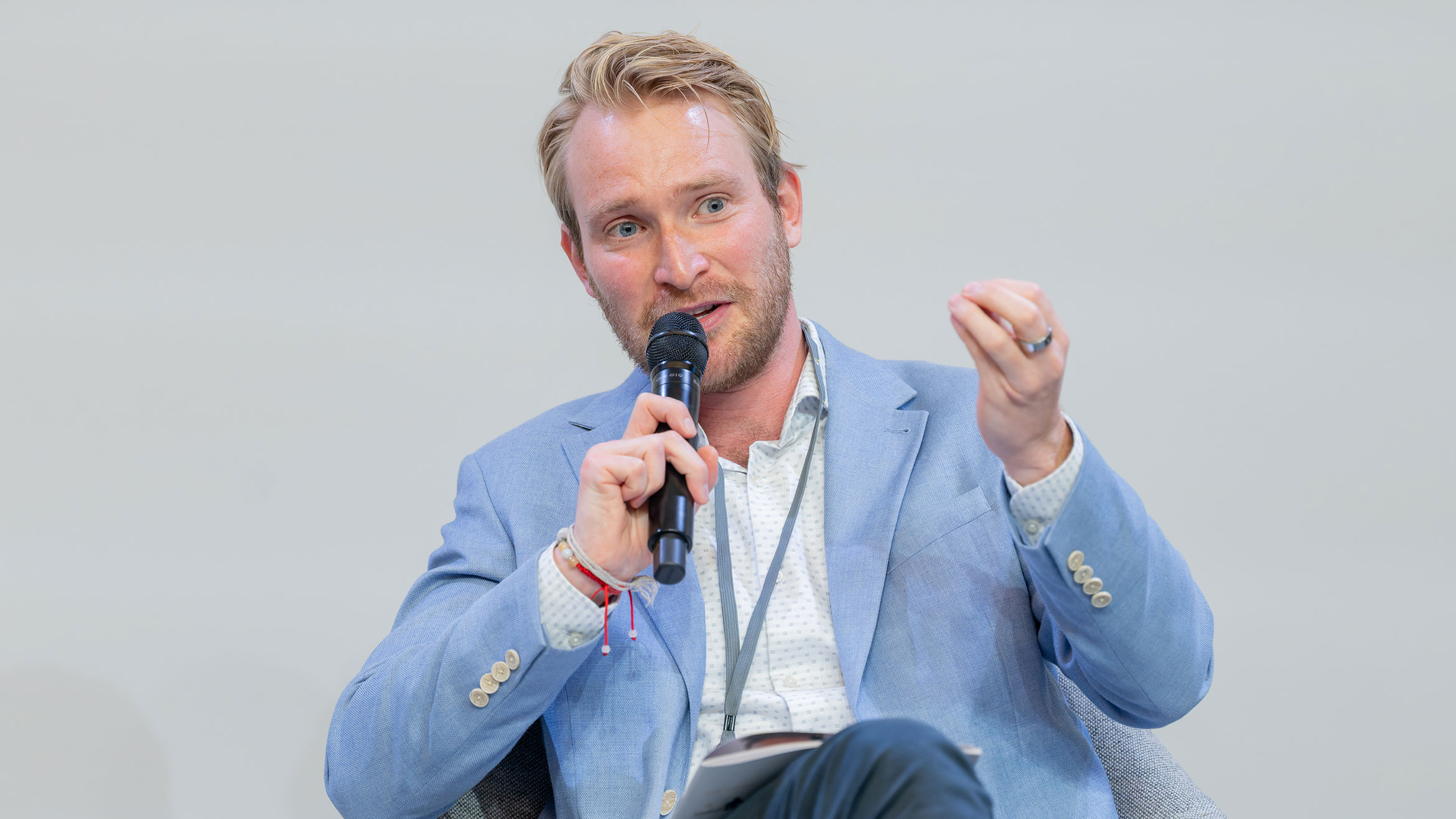
Jannik Heckenhahn, Head of Business Consulting and Global Talent at ICUnet Group, highlighted the fact that international talent should be supported beyond the recruitment stage, for example through intercultural training or interpersonal exchanges amongst colleagues, to give them the opportunity to thrive within the company.
Gyvinne Koh and Fiona Thu also explained that much depends on managing expectations and that the diversity within an international workforce constantly brings new potential.
The panel agreed that practical (initial or further) training remains a decisive factor in competitiveness. In addition, the panellists raised for discussion whether the industry should lower requirements in some sectors, such as the need to obtain a B2 language certificate. This could accommodate international talent who, for example, are only immigrating to Germany temporarily for work.
Conclusion and outlook
The conflict in the Middle East caused travel difficulties, particularly for the Asian participants. Many invited guests had to cancel their attendance at short notice. Consequently, the planned breakout session “Talent Pool India” with German-Indian cooperation partners could not take place this time.
Despite the circumstances, the German-Asian Education Forum once again demonstrated that transnational educational cooperation opens up significant opportunities: it promotes the exchange of knowledge and experience, facilitates new partnerships and contributes to the sustainable recruitment of skilled workers. This benefits companies, employees and the economies of both the countries of origin and the host countries in equal measure.
Leaders from business, the education sector and politics recognise that the challenges of dynamic markets can only be overcome in the long term through synergies. Great examples and trends showing how this can be achieved were highlighted at the Asia Education Forum 2026. It is now important to continue precisely along these lines to ensure fair and sustainable recruitment of skilled workers.