

Winning skilled workers internationally: Perspectives from politics, business and the education sector
Networking for international skilled workers: Policy-makers, the education sector and industry engage in dialogue at the Federal Institute for Vocational Education and Training (BIBB). On 29 September 2026, following an invitation from iMOVE, companies and policy-makers met in Bonn, Germany, to explore in greater depth the strategies and prospects for recruiting international skilled workers.
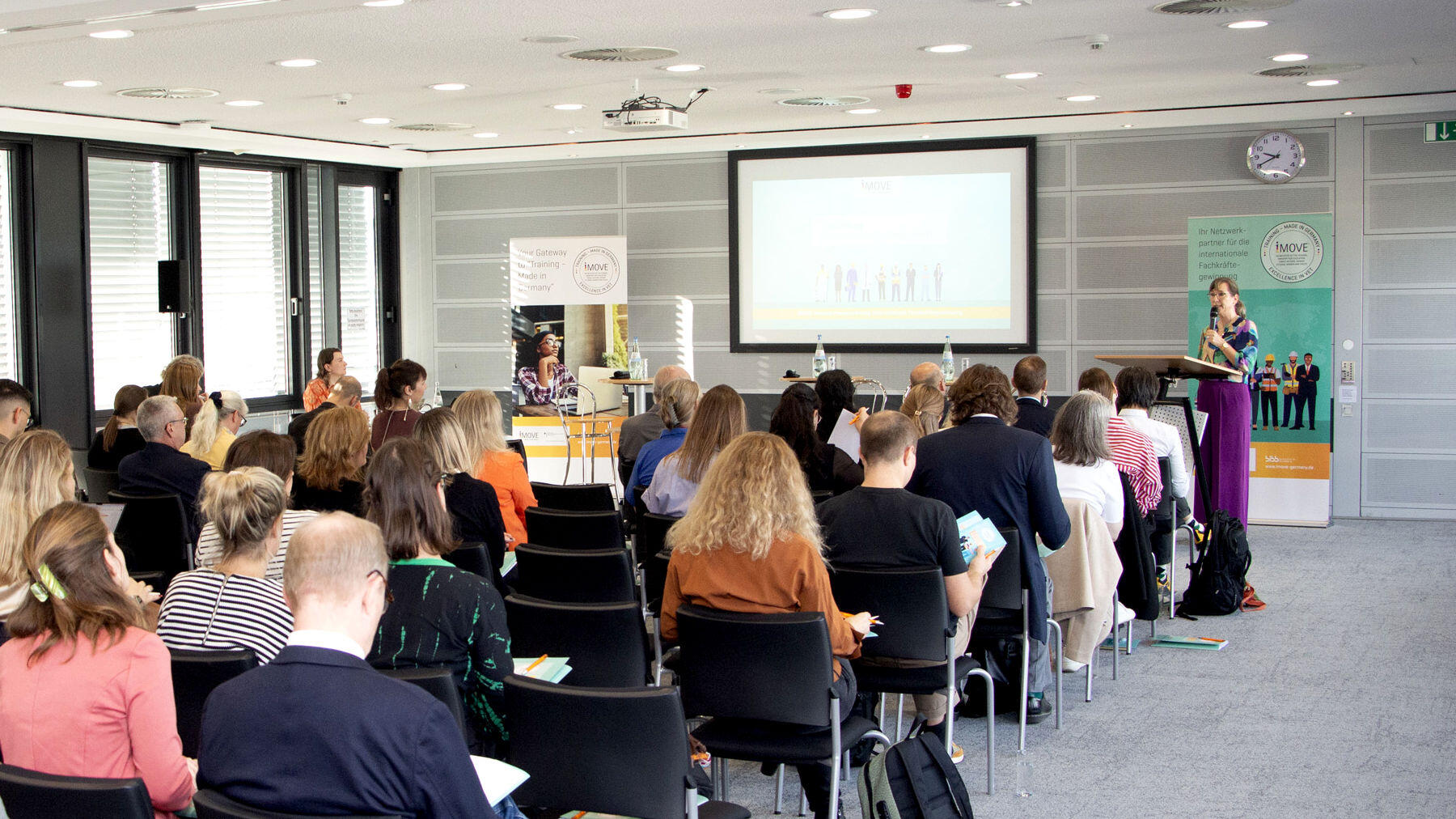
Networking on site and with one another: under this motto, iMOVE once again hosted the networking event 'International Recruitment of Skilled Workers' at the Federal Institute for Vocational Education and Training in Bonn, Germany, on 29 September 2026.
Kristine Faenger, Head of iMOVE, welcomed guests from the Ministries of Foreign Affairs, Education and Health, as well as representatives from the education export sector and industry. In her opening remarks, she looked back not only on iMOVE's 25th anniversary this year, but also on 2024, when iMOVE was given a mandate by the relevant Ministry of Education to strengthen the recruitment of skilled workers for Germany through the targeted involvement of the German education sector.
The kick-off event in November 2024 had already explored the question of where training and further education providers active abroad could begin to support the fair qualification, recruitment and support of international talents coming to Germany. This year's event focused on networking amongst a wider circle of stakeholders involved in recruiting skilled workers for Germany.
To this end, iMOVE organised an exhibitors' forum for the networking event, where initiatives and advisory services relating to the topic could present their offerings. The key questions addressed at the conference were: Where do we currently stand? How can we take this issue forward? And how can we retain the skilled workers we have attracted in the long term?
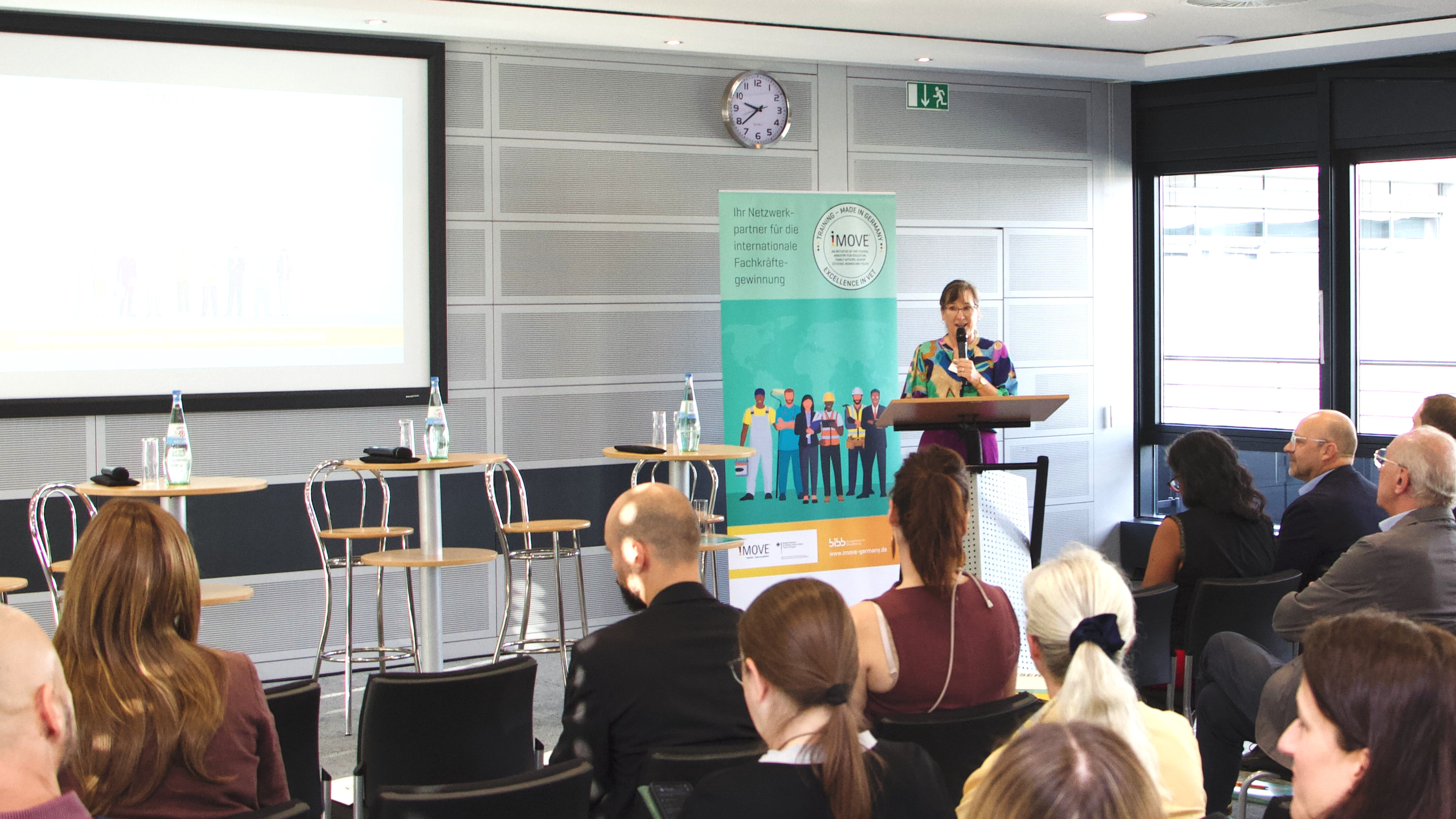
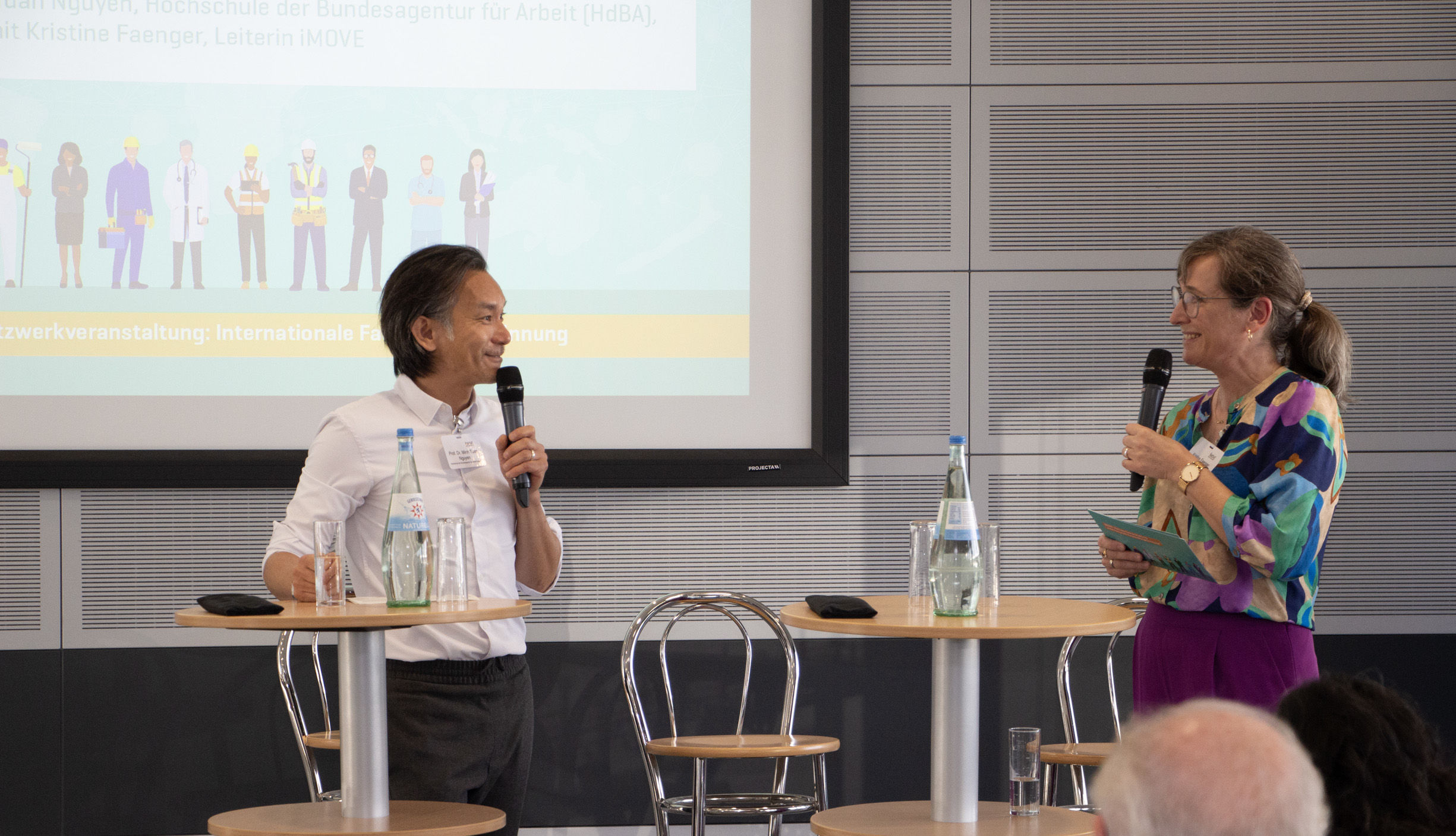
In a following interview with Professor Dr Minh Tuan Nguyen, University of the Federal Employment Agency (HdBA), he emphasised that, despite rising figures for the recognition of foreign professional qualifications and visa applications, many companies remain cautious about recruiting international skilled workers due to economic uncertainties. As domestic recruitment alone cannot meet the demand for skilled workers, international immigration is necessary. However, it must complement the dual training system and cannot replace it.
Furthermore, companies should also give applicants who require further training a chance, particularly when it comes to acquiring job-related language skills. To retain international skilled workers in Germany in the long term, family reunification, adequate housing and social integration are crucial. The aim must be not only to meet current demand for skilled workers, but also to train the skilled workers of tomorrow and create long-term prospects for them to remain in the country.
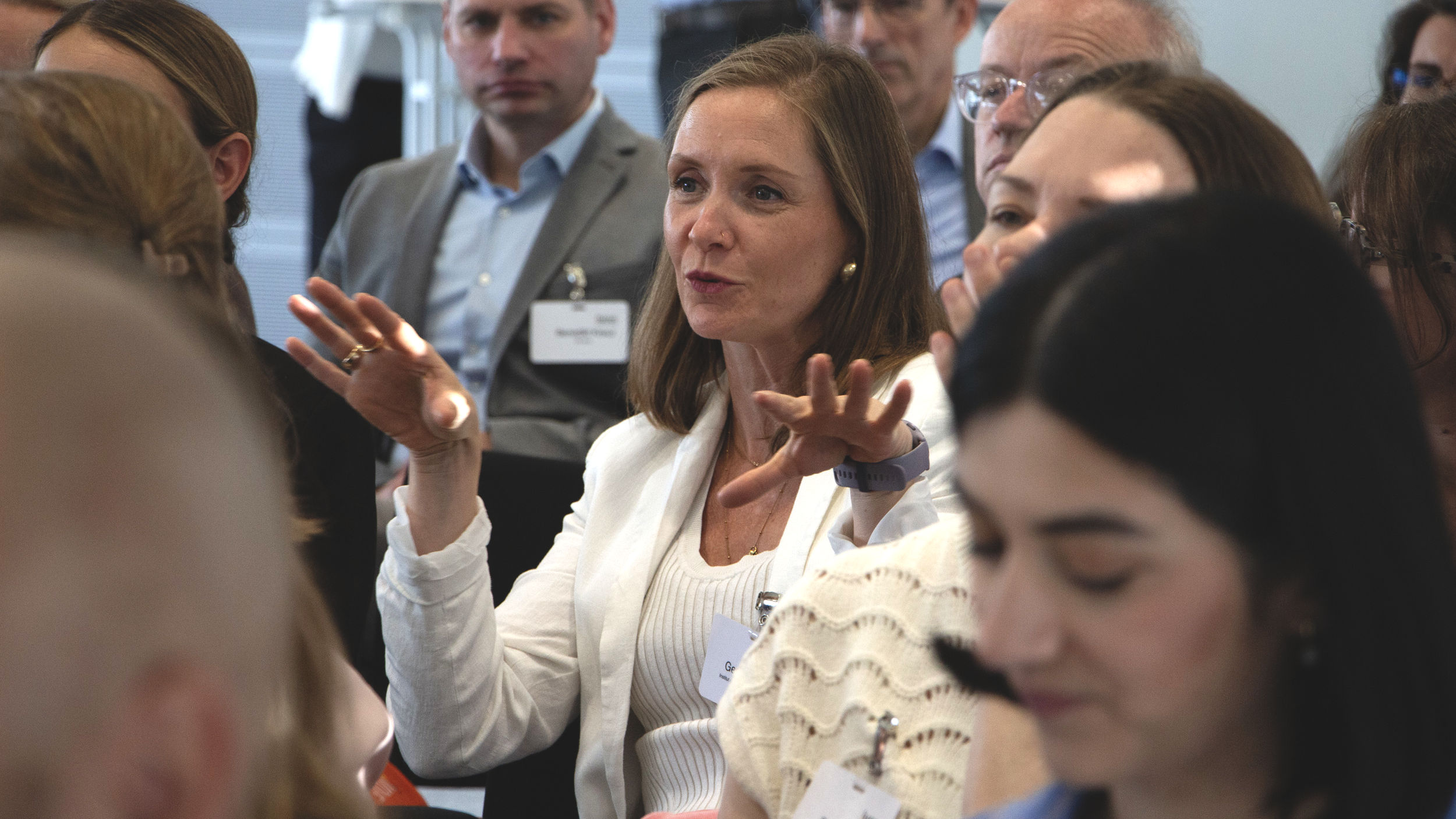
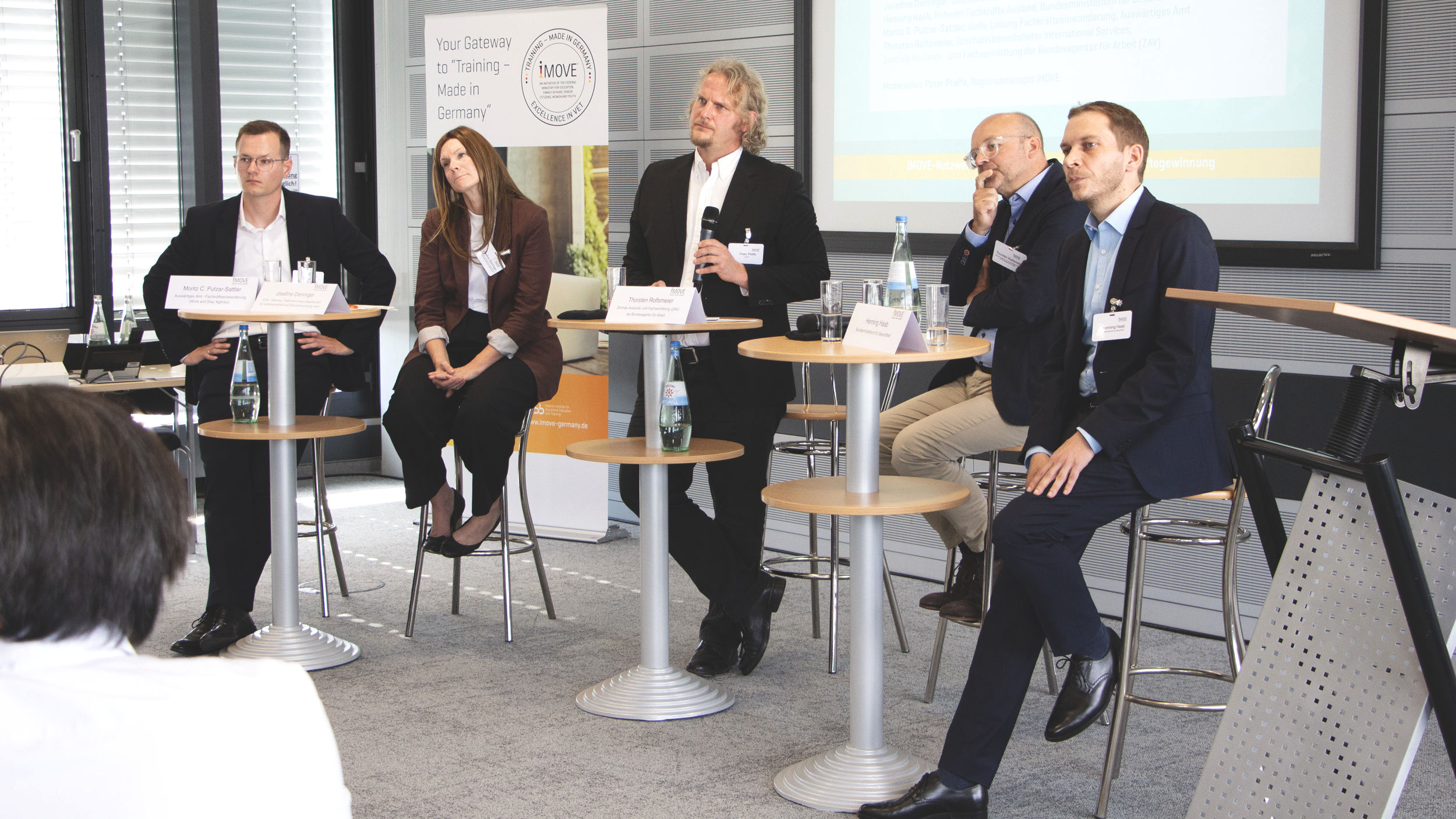
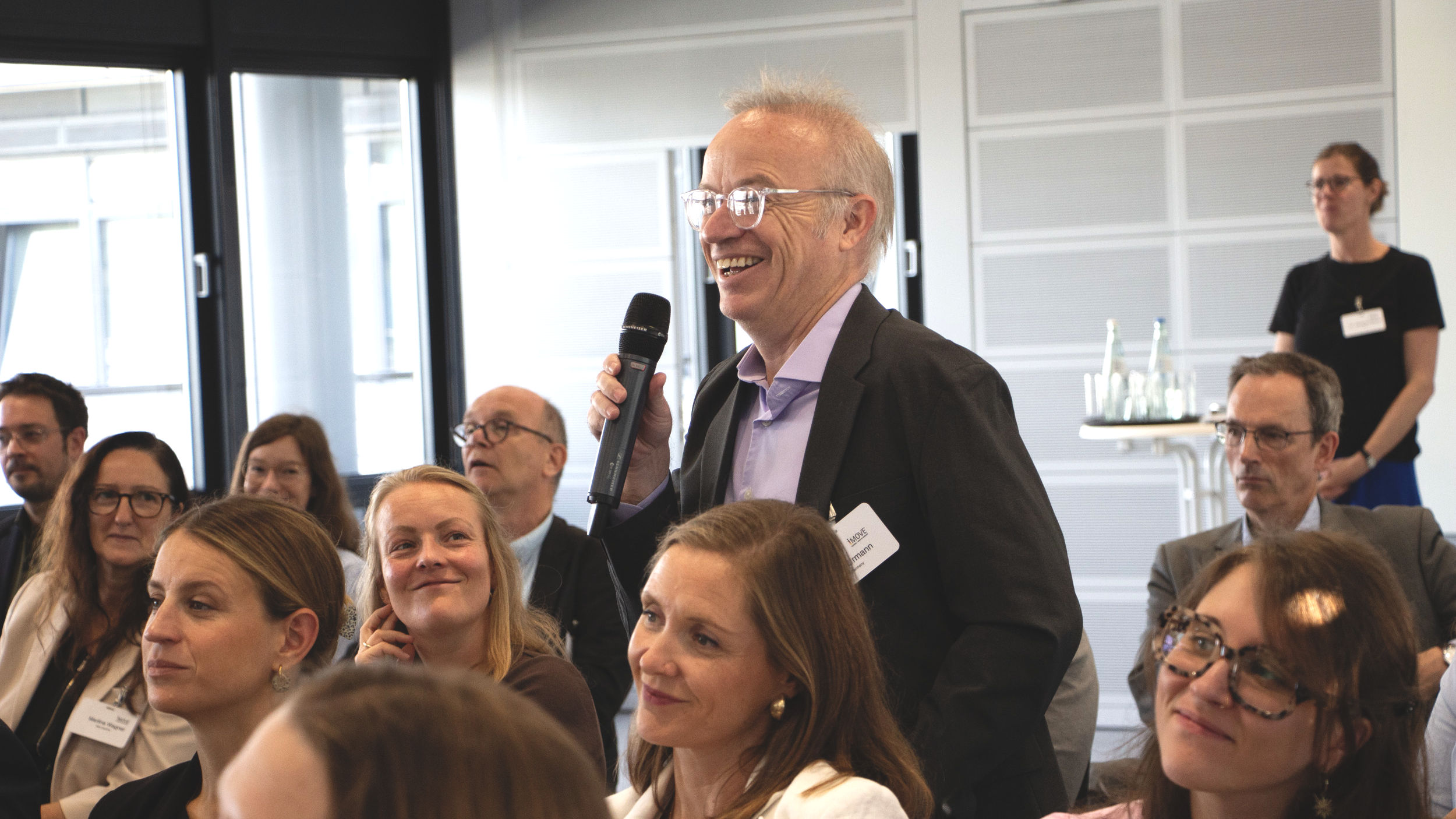
The first panel, hosted by Peter Pfaffe, regional manager of iMOVE, discussed the impact of the political framework on the recruitment of international skilled workers and the challenges ahead.
Moritz C. Putzar-Sattler, Deputy Head of the Skilled Labour Migration Division at the Federal Foreign Office (AA), stated that the Skilled Immigration Act (FEG) has made it easier to attract skilled migrants. Digital visa procedures via the Consular Service Portal (Auslandsportal) and the centralised administration of applications by the Federal Office of Foreign Affairs (BfAA) speed up processes and lay the groundwork for the planned Work-and-Stay Agency, which is intended to further digitise and centralise labour migration in future.
The Federal Ministry of Health, represented by Henning Haab, is focusing on international educational cooperation. The Global Skills Partnerships model begins with training in the country of origin. Through tailored curricula and language training, skilled workers are specifically prepared for the German labour market. At the same time, additional training capacity and knowledge transfer in the partner countries are intended to counteract what is known as a 'brain drain'. This approach offers particular potential in the (health) care sector.
An important aspect here is fair and sustainable recruitment: transparent placement processes and quality standards – for example, through certificates of quality and the 'employer-pays-only' principle – are intended to strengthen the recruitment of international skilled workers. Many dubious actors in the recruiting sector abroad try to get skilled workers to pay large sums of money to migrate to Germany. These practices must be clearly stopped through awareness-raising campaigns at official visa offices and consular services.
In addition to recruitment, long-term retention is particularly crucial: employers, working conditions and the workplace environment play a central role in this regard. In the care sector in particular, there are still significant challenges when it comes to staff retention, according to Henning Haab.
In terms of expanding international cooperation, Germany Trade & Invest (GTAI) has since 2026 incorporated the topic of recruiting skilled workers into selected business development missions in the field of education and training. GTAI is the Federal Government’s foreign trade agency and is attached to the Federal Ministry for Economic Affairs and Energy (BMWE). iMOVE supports these missions as a specialist partner.
Josefine Deininger from the Market Entry Programme (MEP) office, reported on successful missions to India, Kenya and Nigeria. Four further missions are planned for 2027. In the future, additional sectors, particularly healthcare and tourism, could be given greater consideration.
The Federal Employment Agency was represented on the panel by Thorsten Rolfsmeier, Head of the International Services Division at the Central Agency for Recruitment Abroad and Skilled Labour (ZAV). He emphasised the importance of skilled labour immigration. According to the Federal Employment Agency, there is a growing need for additional immigration to stabilise employment levels in Germany. However, to date, only around 6 per cent of businesses actively recruit abroad, whilst 36 per cent do not do so despite a need for skilled workers. The potential of the Skilled Immigration Act is therefore not yet fully exploited.
Panel 2: Stakeholders in the education sector
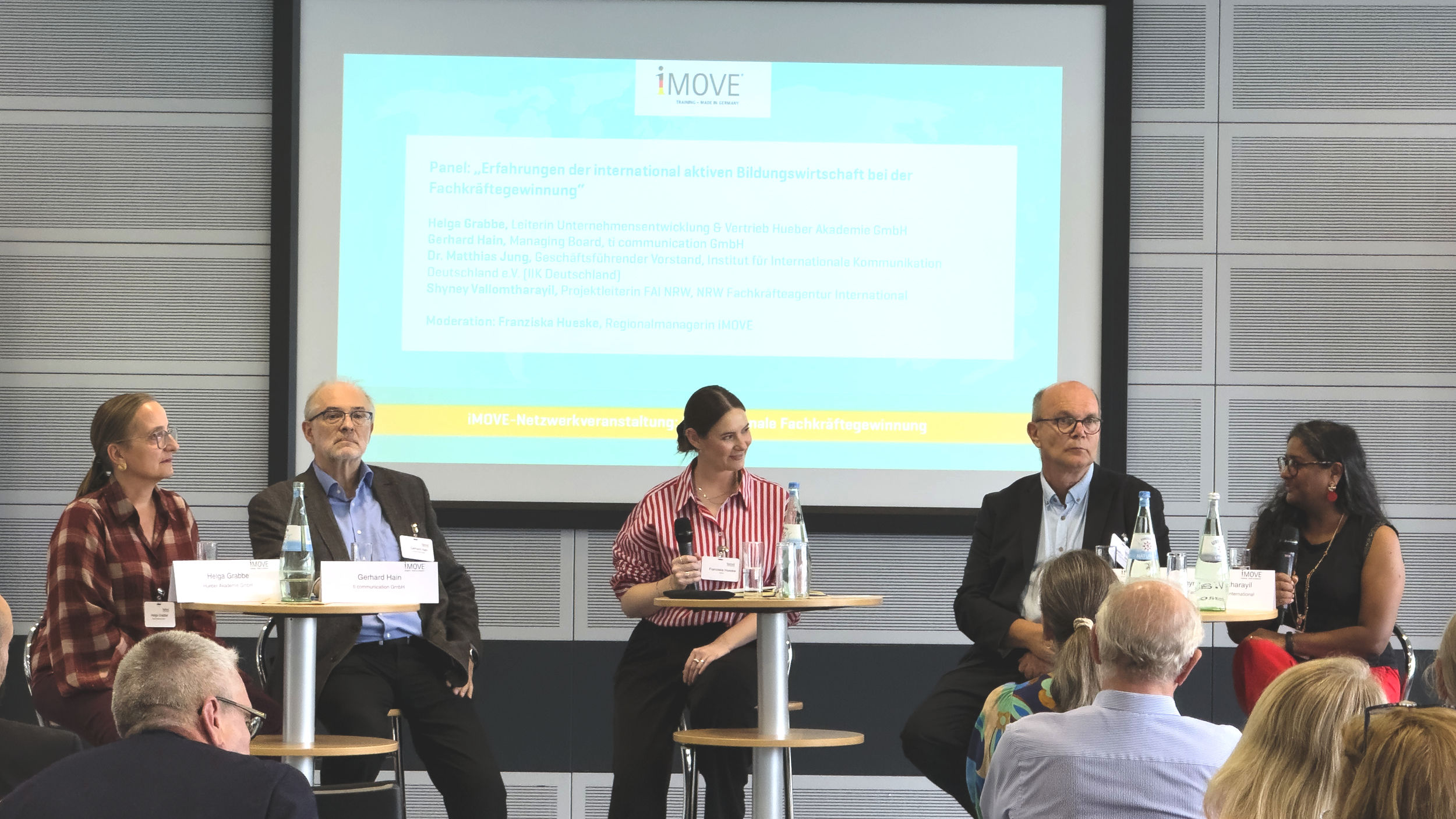
The German education sector has been actively involved in the training and further education of international talent for many years and, as a result, draws on a wealth of knowledge and experience. This experience was the subject of the day's second panel discussion, during which representatives from the education sector operating abroad shared their experiences of recruiting skilled workers. The panel was moderated by Franziska Hueske, regional manager of iMOVE.
Drawing on his experience of advising businesses, Gerhard Hain stressed that companies should assess in advance whether they are prepared to take on international skilled workers. Furthermore, Hain, Managing Board at ti communication, explains that recruiting from abroad is often more cost-effective in the long term than leaving posts unfilled.
Germany is competing internationally for skilled workers. Helga Grabbe, Head of Business Development and Sales at the Hueber Academy, pointed out that showing appreciation – for example, by celebrating cultural and national holidays – and a supportive social environment are crucial to retaining skilled workers in the long term.
The Skilled Workers Agency International NRW (FAI), represented by head of project Shyney Vallomtharayil, advises companies interested in finding out more about the process of recruiting skilled workers. She explained that while many companies are open-minded, they are also uncertain. There is a high demand for employees, particularly in sectors such as healthcare, the skilled crafts sector and the hospitality industry.
The training sector could help to find suitable, skilled workers by providing advice and support for recognising qualifications, as well as carefully assessing applications. She also highlighted the growing challenge of assessing AI-generated CVs and language certificates, underlining the importance of professional support in verifying candidates' qualifications and ensuring a good match with employers.
Dr Matthias Jung, Managing Director of the Institute for International Communication Germany (IIK), regards the education sector as a long-term strategic partner for businesses. He recommended, in particular, that small businesses join forces at a regional level to recruit skilled workers collectively. He also emphasised that personalised support following arrival is important in order to build trust and offer assistance if problems arise.
Immigration and labour market integration from a business perspective
Results of a recent business survey conducted in collaboration with the Bonn/Rhine-Sieg District Craftsmen's Association
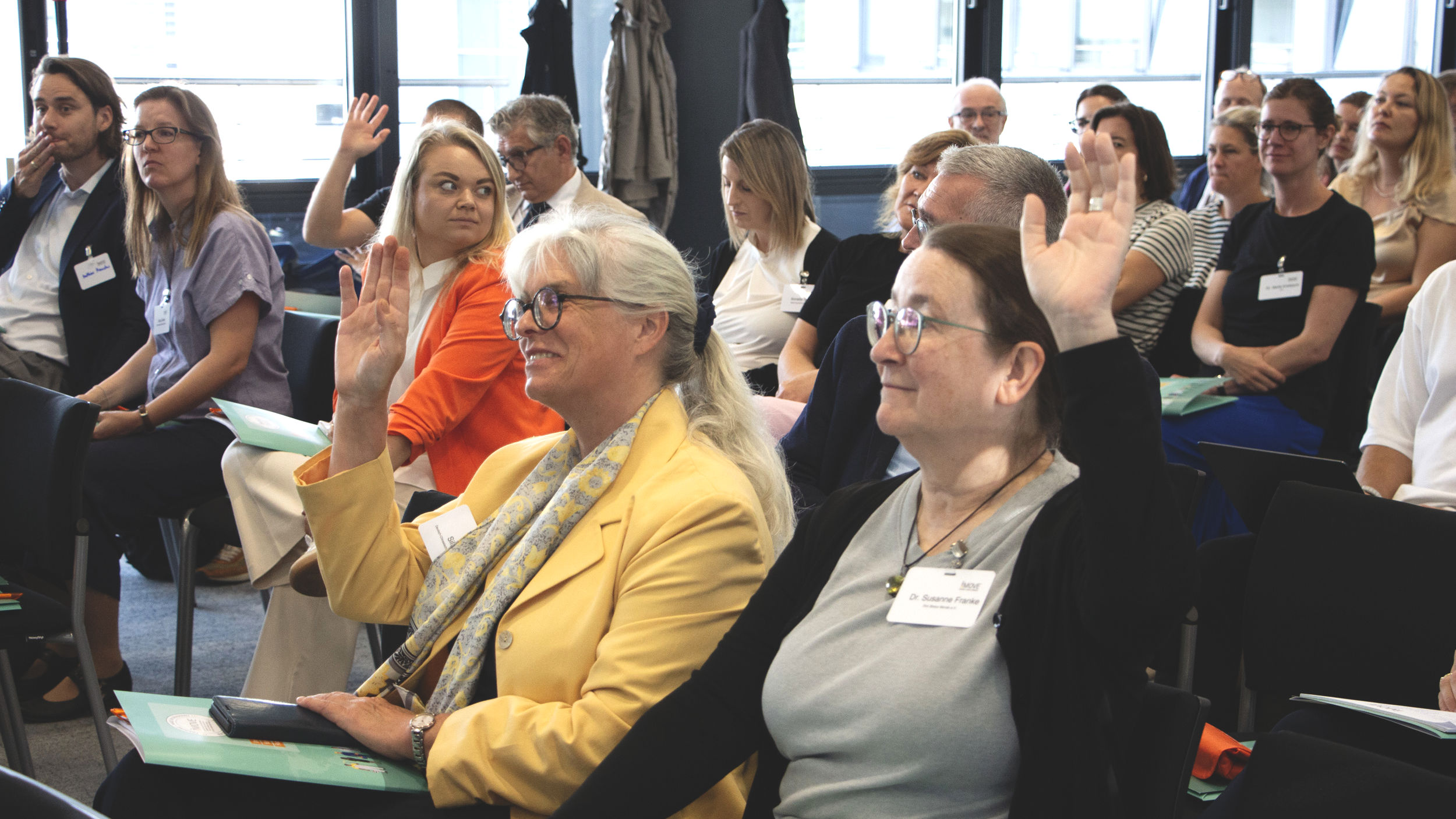
Professor Dr Michael Sauer, Vice-Dean of the Department of Social Policy and Social Security at Bonn-Rhine-Sieg University of Applied Sciences, presented the results of a survey of 141 companies, which reveal the high demand for skilled workers in the skilled crafts sector. Despite significant shortages, many businesses are initially focusing on the further training of existing members of staff and on enhancing their attractiveness as employers, rather than recruiting skilled workers from outside Germany.
Companies with experience of recruitment see a lack of German language skills (92 per cent), a shortage of housing (84 per cent) and dealing with public authorities (77 per cent) as the main challenges. Language skills also play a key role in integration, which is why external language support programmes are regarded as an important form of assistance.
Sauer proposed regional skilled-worker alliances as a solution. These are intended, in particular, to ease the burden on smaller businesses, promote the exchange of experience and encourage further businesses to recruit skilled workers from abroad. The survey reveals a high level of willingness to participate: 60 per cent of the surveyed companies would be prepared to get involved in such an alliance, including financially.
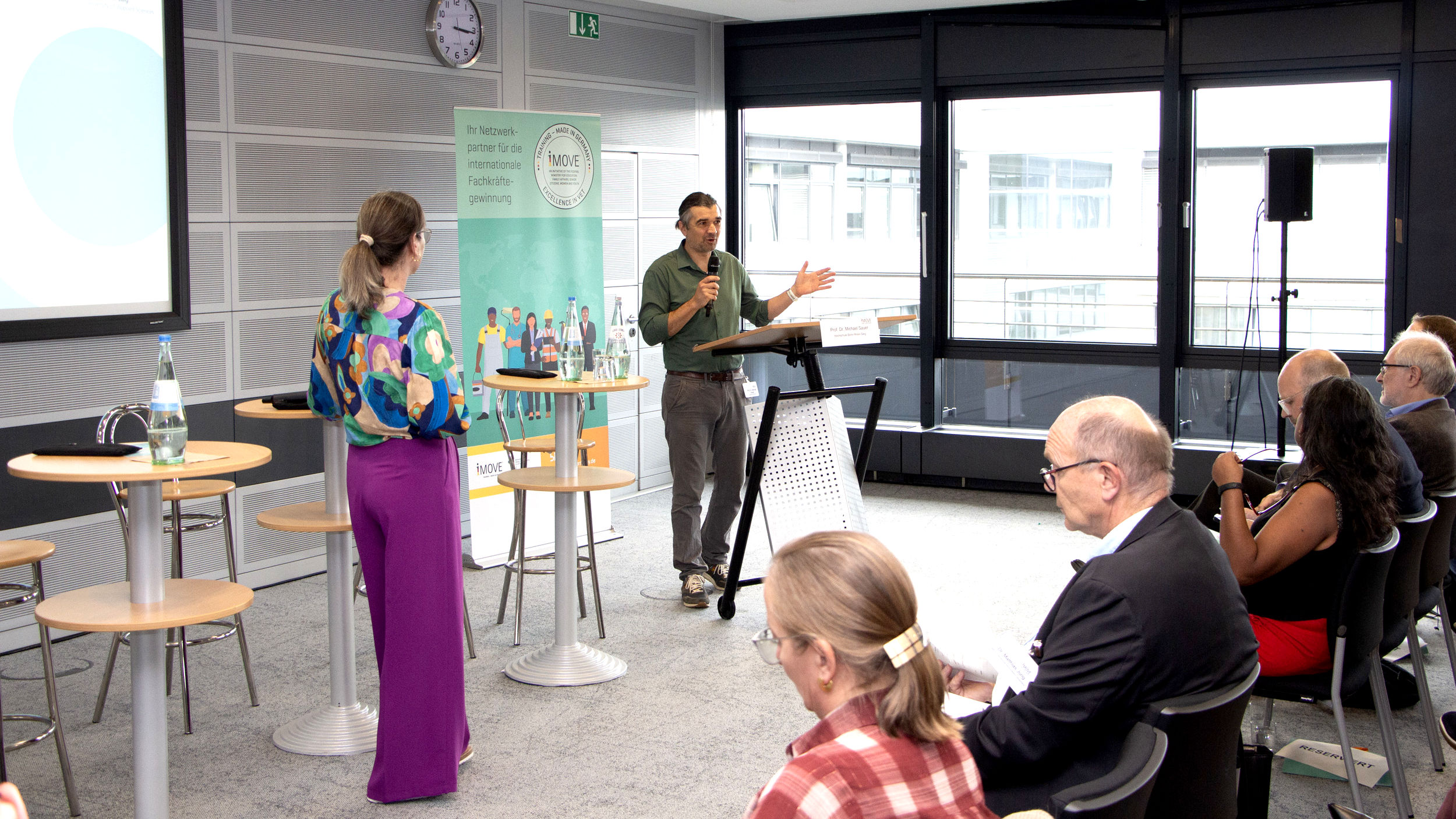
Professor Dr Michael Sauer, Vice-Dean of the Department of Social Policy and Social Security at Bonn-Rhine-Sieg University of Applied Sciences
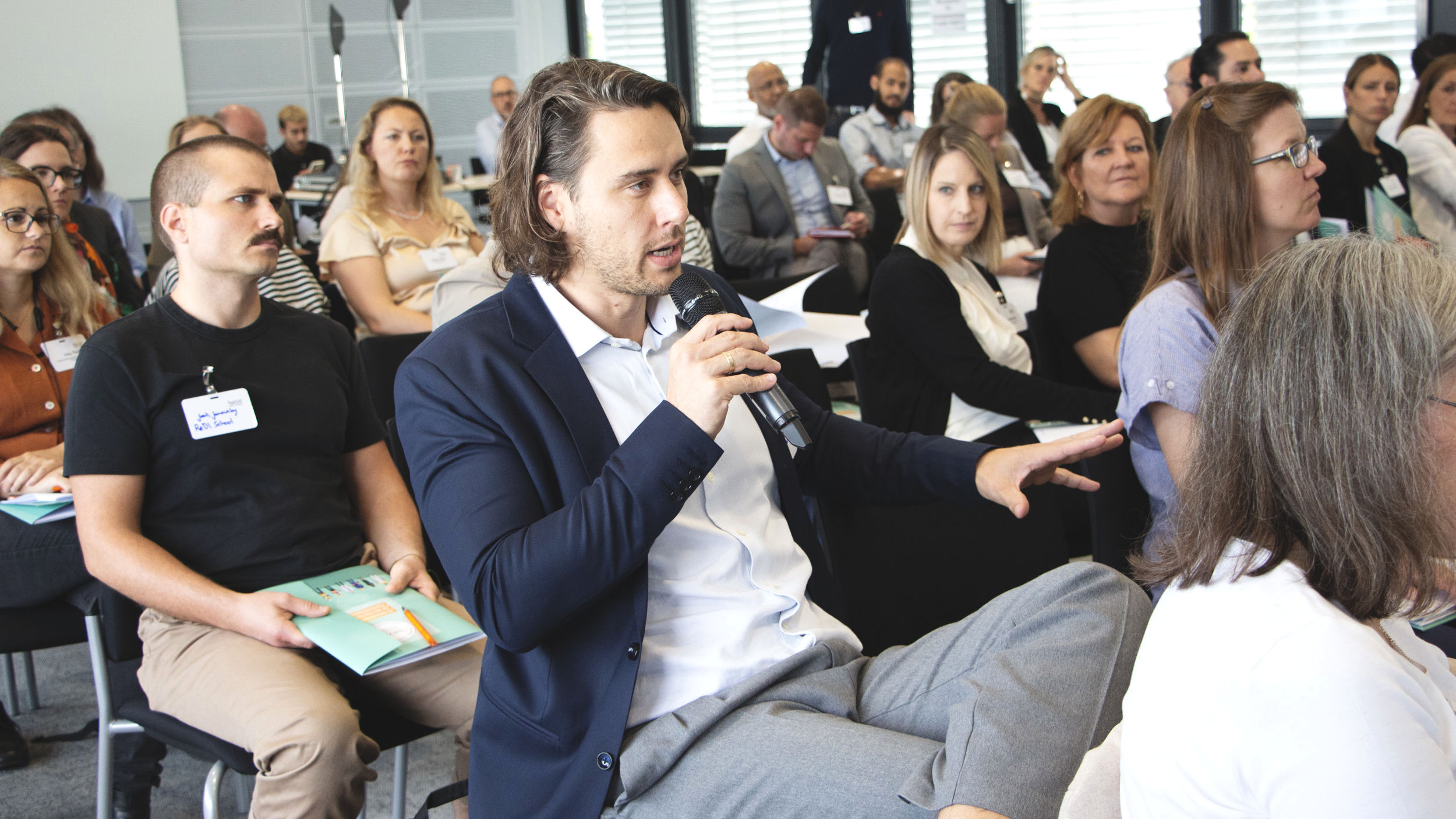
Panel 3: Business and the education sector
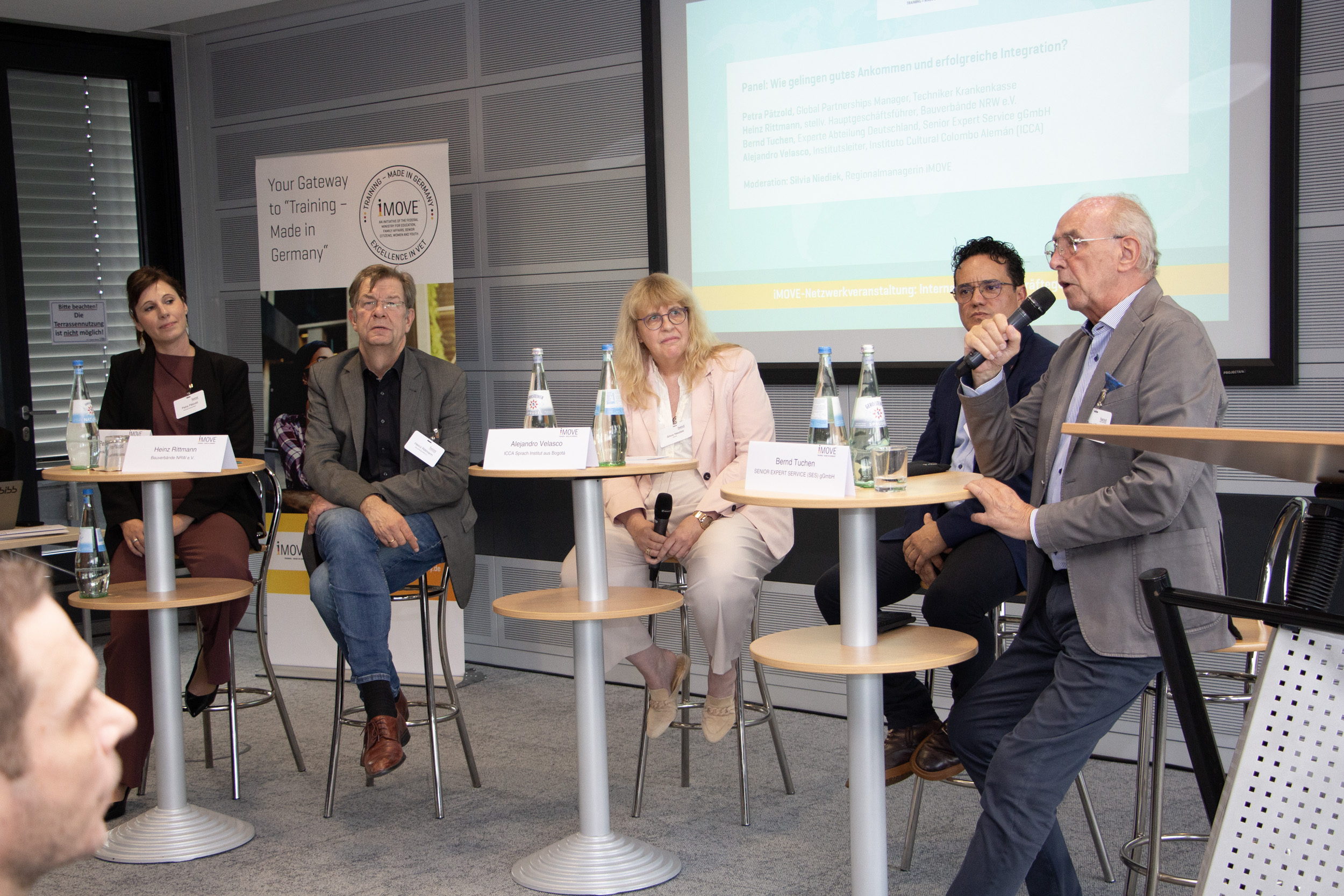
Recruiting international talents is one thing – integrating them into the German labour market in a long-term and sustainable way is quite another. In the third panel discussion, led by Silvia Niediek, regional manager of iMOVE, the panellists explored, in particular, how to ensure a seamless transition and successful integration.
Heinz Rittmann, Deputy Chief Executive of the Construction Associations of North Rhine-Westphalia, explained that preparation begins in the country of origin. International skilled workers should be prepared at an early stage for the professional and social conditions in Germany. This includes realistic expectations, language skills and intercultural competence.
He also highlighted the responsibility of employers. According to Rittmann, companies and training facilities play a central role in integration. They should not only provide professional support to international employees, but also help them settle in and navigate everyday challenges such as finding accommodation and dealing with bureaucracy, whilst still empowering them to become independent individuals. In addition, he called for bureaucratic hurdles to be removed. In particular, the transition from training to employment should be made easier and faster in order to avoid financial disadvantages for businesses.
Petra Pätzold, Global Partnerships Manager at Techniker health insurance, also spoke in favour of realistic preparation in the home country. In her opinion, the challenge of recruiting skilled workers should be addressed jointly. Especially small and medium-sized enterprises can attract skilled workers through regional cooperation. An example given from a rural region in Germany illustrates how joint recruitment initiatives can be successful in structurally disadvantaged regions.
Organisations such as the Senior Expert Service (SES) can be utilised to provide support in everyday life. Bernd Tuchen, Expert in the Division Germany, explained that the SES offers mentoring to support international skilled workers in their social integration. The aim is to create a stable foundation for professional and social participation. Where employers lack the resources to provide this kind of support themselves, external services such as those offered by SES can help new arrivals settle in Germany, develop a sense of belonging to their company and build long-term prospects for staying in Germany.
Alejandro Velasco, Director of the Instituto Cultural Colombo Alemán (ICCA), confirmed that linguistic integration alone is not enough. He called for holistic integration. Language skills alone are not sufficient. It is crucial to view people as a whole and to combine language training with intercultural preparation in order to achieve sustainable integration.
Conclusion and summary
The training, recruitment and integration of international skilled workers will remain important societal challenges in the future, and the German education sector has been actively involved in tackling these for many years. Despite ongoing reluctance from the business community, companies can count on the support of the education sector.
A tremendous amount has been achieved in two years of skilled worker recruitment, and today clearly demonstrates the potential that still lies in networking between the various stakeholders
Kristine Faenger, Head of iMOVE
"A tremendous amount has been achieved in two years of skilled worker recruitment, and today clearly demonstrates the potential that still lies in networking between the various stakeholders," said Kristine Faenger, Head of iMOVE, in her closing remarks to the plenary. She noted that the Work-and-Stay Agency was providing important momentum by continuing to drive forward digitalisation and centralisation in the recruitment of skilled workers. The 'Global Skills Partnerships' model also demonstrates an innovative approach to the fair and sustainable recruitment of skilled workers, offering added value for their home countries as well.
Many stakeholders are involved in the chain of actions involving recruitment, language, recognition, visas, onboarding, integration and retention. Through networking and the formation of alliances, the recruitment of skilled workers for Germany can be achieved collectively. iMOVE also contributes to this through its network. Faenger emphasised that iMOVE can support stakeholders in various ways at any time, of which this year's networking event at the BIBB is just one example.